

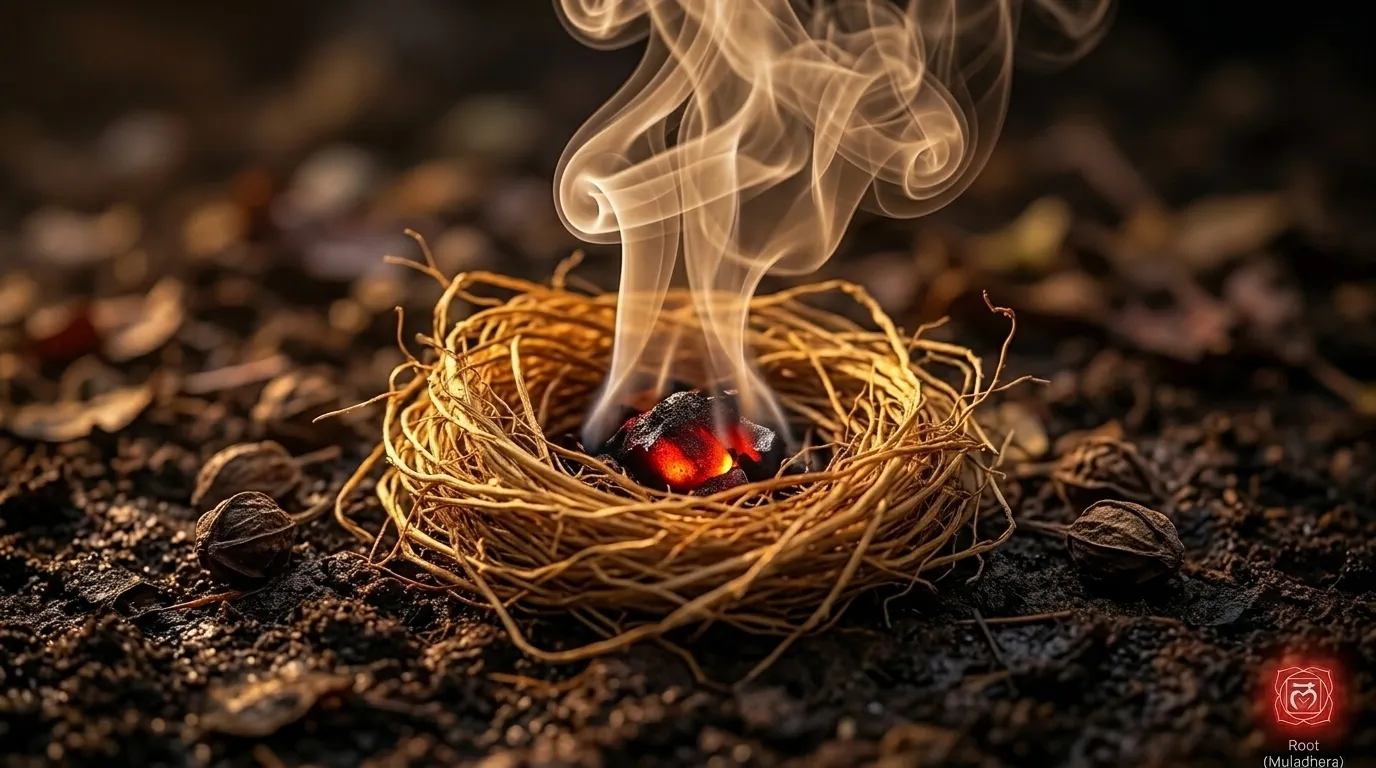
Incense
Vetiver Root Incense
Your mind sprints while your body whispers—and you cannot hear it anymore. Vetiver Root stops the race. Not with elevation, but with gravity. Burn it, sit, feel the earth claim you back.
- Wood
- Charcoal Burn
- Earth
- Root
Traditional associations
Sit upright and begin the burn on a low-heat screen. Close your eyes and name five contact points in sequence: left foot, right foot, left hand, right hand, spine. After each naming, breathe once. Then ask: what is one task my body can realistically carry today? Choose it. Hold it. Return to the root, the earth, the downward path.
Specially sourced
Deep layers
About Vetiver Root Incense
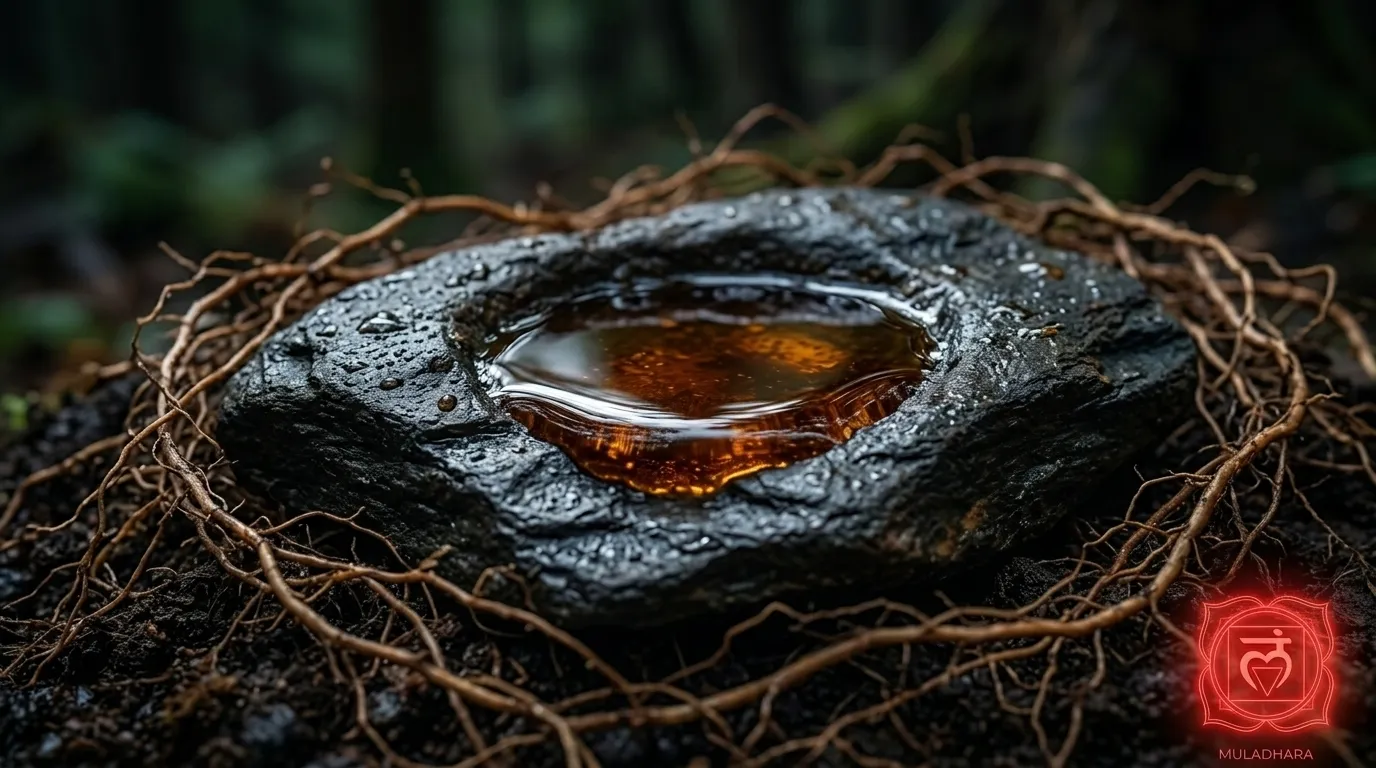
For thousands of years, those rooted in South Asian wisdom have held Vetiver Root—Chrysopogon zizanioides—not as a fleeting fragrance, but as an anchor. While essential oils and prepared vetiver blends circulate in modern markets, the true identity of this incense lies in the cleaned, fully dried root fiber itself. When burned on a low-heat screen, it releases no dramatic plume, only a whisper of dry earth, mineral coolness, and faint sweetness that pulls your attention downward, away from the spinning mind and into the soles of your feet.
This is not an incense of elevation or escape. Vetiver Root teaches the opposite: that power lives in contact, in the five points where your body meets resistance—feet to floor, hands to wood, spine to chair. In modern spiritual practice, this root's weighty aroma symbolizes body awareness, patience, and groundedness. It does not promise clarity or transcendence; it promises only the slow, steady work of noticing what is already beneath you. Light it, sit, and name the places your body touches the world.
Yet this ancient plant material demands respect for purity and breath. The root must be free of soil, mold, and agricultural residue—only cleaned, incense-grade vetiver should ever touch heat. Do not shake or inhale the dust that clings to dried fibers. The smoke itself should never be drawn directly into your lungs; this is a ritual of presence, not inhalation. Always ventilate the space where you burn it.
Story
A root that grows downward in darkness teaches what the skyward-reaching mind forgets: patience. Vetiver does not flower or catch light. It simply holds soil together, grain by grain, year after year, asking nothing but to be noticed.
Traditional uses
In South Asian domestic life, vetiver root has served multiple roles: woven into cooling mats for hot seasons, burned as a gentle fragrance in homes and temples, and sometimes included in incense blends. Each use recognized the plant's grounding properties. Modern incense practice isolates the root material itself, honoring its singular identity rather than blending it away.
Preparation / burning method
Separate 3–5 thin, fully dried root fibers from the bundle. Place them on a low-temperature resin screen or incense heater—never on direct charcoal or flame. Warm gently until the aroma begins to rise; do not allow the fibers to char, flame, or smolder heavily. A light, dry warmth is the goal. If ash begins to accumulate, gently remove the fibers and allow the heat source to cool slightly before reburning.
Cleansing uses
Rather than dispersing stagnant energy upward, Vetiver Root's ritual focuses on grounding excess mental activity, anxiety, or scattered attention back into bodily sensation and present moment. It is a ritual of descent, not ascent.
Ritual context
Sit upright and begin the burn on a low-heat screen. Close your eyes and name five contact points in sequence: left foot, right foot, left hand, right hand, spine. After each naming, breathe once. Then ask: what is one task my body can realistically carry today? Choose it. Hold it. Return to the root, the earth, the downward path.
Aroma profile
Dry mineral earth, aged wood fiber, subtle straw sweetness, cool green undertone, the faintest hint of smoke—an aroma that descends rather than rises.
Safety notes
Vetiver root material must be sourced from reputable incense suppliers to ensure freedom from soil contamination, mold, and pesticide residue. Never shake dried root fibers indoors—always work in ventilated space. Do not inhale smoke directly into the lungs; this material produces a subtle aroma meant for ambient presence, not respiratory intake. Never leave the heat source unattended.
Origin
Pure, cleaned, fully dried root fiber of Chrysopogon zizanioides, harvested from South Asian growing regions where this plant has stabilized soil and cooled homes for millennia.
Quick look
Properties
- Scientific name
- chrysopogon zizanioides
Which chakra is it known for?
Form
- Wood
Which element is it associated with?
- Earth
Which chakra is it associated with?
- Root
Burn method
- Charcoal Burn
Follow This Thread

If you stayed this long on the Vetiver Root Incense page, the matter may not be curiosity about incense alone.
The chosen incense is sent in a solid walnut box with brass inlay, sealed to your name. Which incense walks with you is decided not from a list, but from what you share.
No payment, no commitment. First you write what you want.