

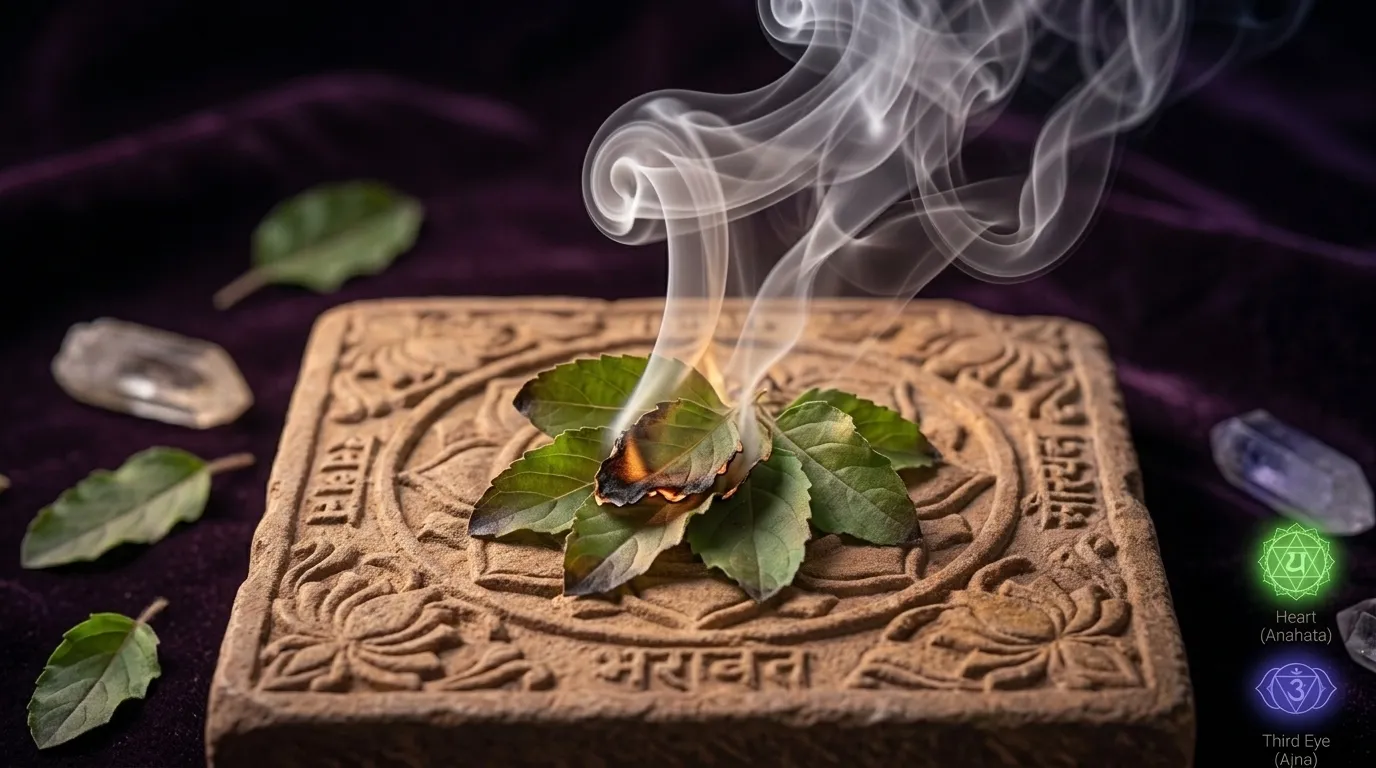
Incense
Tulsi Incense
When you stop chasing the sacred in temples you will never enter and realize it lives in the small care you offer today—that is when Tulsi rises, spiced and patient, waiting for your intention to become action.
- Herb
- Charcoal Burn
- Air
- Third Eye
Traditional associations
Before lighting, write down one relationship in your life you wish to tend with care. Light a small pinch of leaf on a low-heat screen. As the thin smoke rises, choose one unreturned act of kindness you can offer today. Do not seek immediate reward; trust that small devotions compound.
Specially sourced
Deep layers
About Tulsi Incense
In the oldest Hindu households, where the sacred dwells not in distant temples but in the care offered between one person and another, Tulsi—dried leaf of Ocimum tenuiflorum—burned quietly on a threshold. It is not the culinary basil of your kitchen, nor a synthetic oil wearing its name. The canonical identity remains: dried leaf, incense-grade, holding the spice-green warmth and clove-touched character that transforms a room into a place where intention can be seen.
When you choose to make the sacred visible in a relationship you tend rather than seek it far away, Tulsi incense becomes your small, humble offering. The aroma that rises—spicy leaf, dry herbs, faint citrus brightness—does not promise to "cleanse energy" or bend invisible forces to your will. Instead, it marks a boundary: this is the moment you stop searching outward and choose one small action of care, without demanding its return. Light a pinch on a low-heat screen, watch the thin smoke rise, and in that restraint lies the whole teaching. This is a spiritual practice rooted in devotional tradition, not a medical treatment or cure. Your space must breathe; the smoke should never fill your lungs directly.
Story
In the oldest Hindu households, where the sacred dwells not in distant temples but in the care offered between one person and another, Tulsi burned quietly on a threshold. It remains what it has always been: dried leaf from Ocimum tenuiflorum, a humble plant that teaches that devotion begins at home, in the relationships you tend with small, unreturned acts of kindness.
Traditional uses
Tulsi holds a particular place in Hindu household and devotional traditions, where it grows near thresholds and in courtyards as both a plant and a spiritual presence. This cultural context is presented without relabeling the plant as a source-free generic spiritual tool.
Preparation / burning method
Use a very small pinch of dried leaf on a low-heat resin screen or ceramic holder. Do not ignite directly over an open flame. Keep the practice brief and restrained, respecting both the plant's source tradition and your physical safety. The thinnest smoke is often the most powerful.
Cleansing uses
Tulsi is not reduced to generic "energy cleansing." Its devotional and household cultural roots remain visible: it marks the threshold where you choose to make the sacred visible through small, daily acts of care for relationships you tend.
Ritual context
Before lighting, write down one relationship in your life you wish to tend with care. Light a small pinch of leaf on a low-heat screen. As the thin smoke rises, choose one unreturned act of kindness you can offer today. Do not seek immediate reward; trust that small devotions compound.
Aroma profile
Spiced green leaf with warm clove undertones, dry herb character, and faint citrus brightness—earthy, restrained, quietly fragrant.
Safety notes
Use only correctly identified, clean, incense-grade dried leaf in very small amounts on a low-heat screen. Never ignite the leaf over an open flame. Avoid direct smoke inhalation into the lungs; always ventilate your space. This is a devotional practice, not a medical remedy. Never leave heat unattended.
Origin
The canonical identity is dried Ocimum tenuiflorum leaf, cultivated in Hindu devotional and household traditions across the Indian subcontinent. Its cultural source remains explicit and honored.
Quick look
Properties
- Scientific name
- ocimum tenuiflorum
Which chakra is it known for?
Form
- Herb
Which element is it associated with?
- Air
Which chakra is it associated with?
- Third Eye
- Crown
Burn method
- Charcoal Burn
Follow This Thread
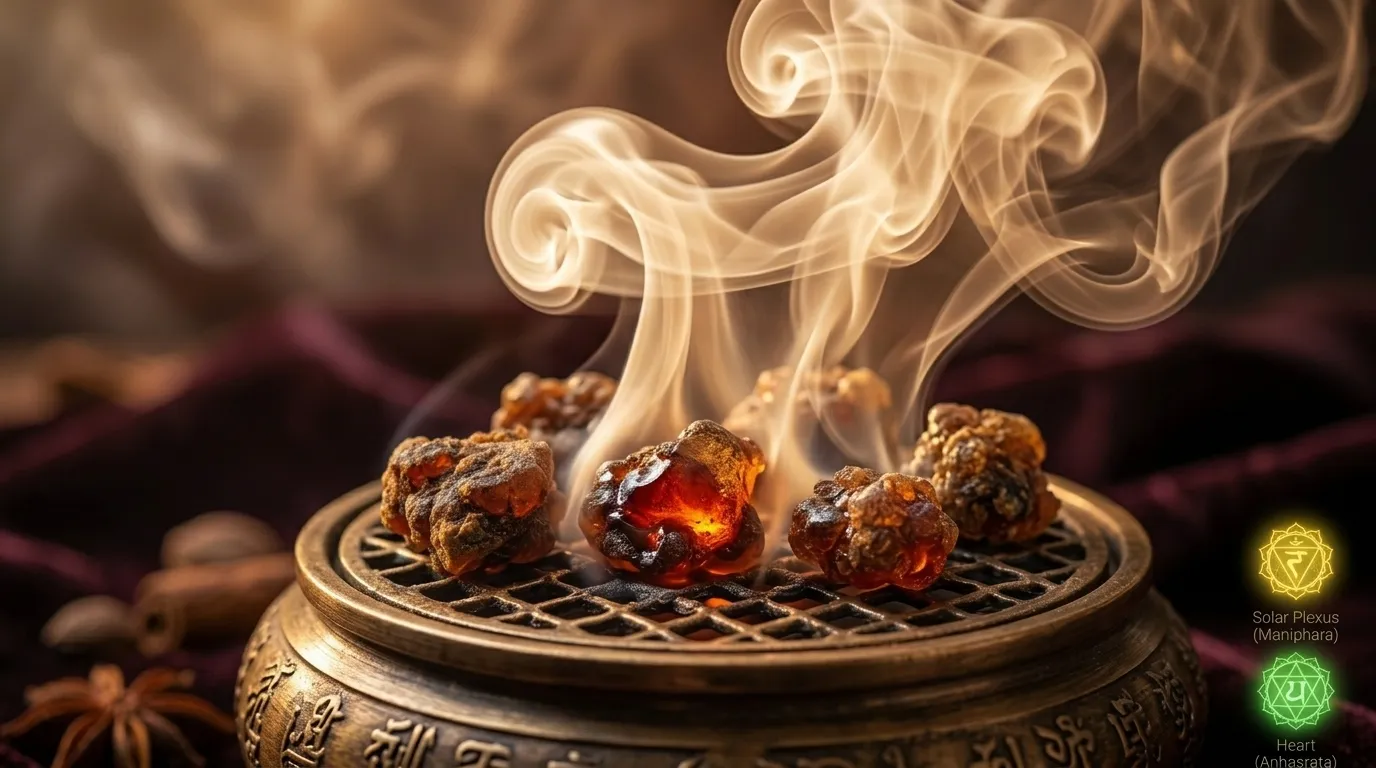
Incense
Benzoin Resin
Shared intention: Calm · Shared theme
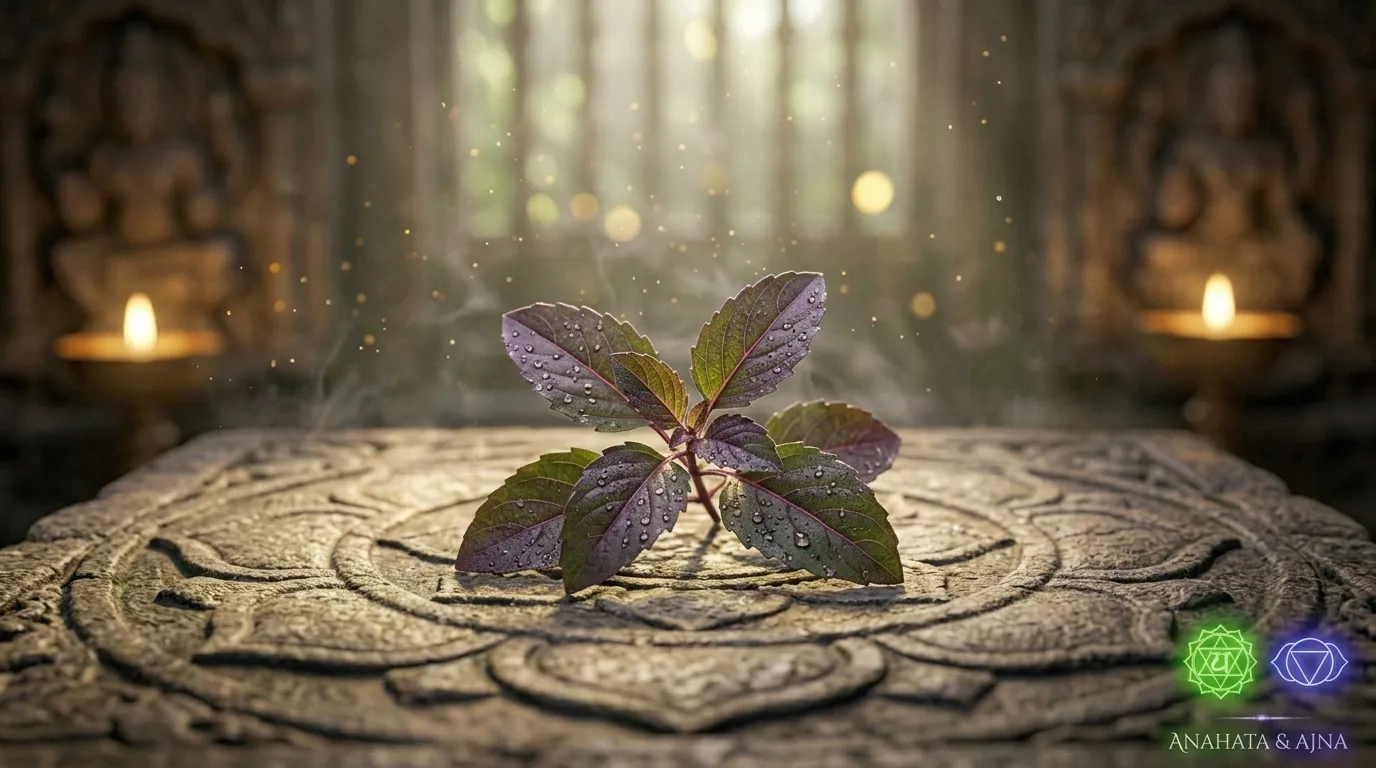
Herb
Tulsi
Shared intention: Love & Connection · Calm

Meditation
Lunar Cycles: Inner Tempo and Recurrence
Shared intention: Love & Connection · Calm
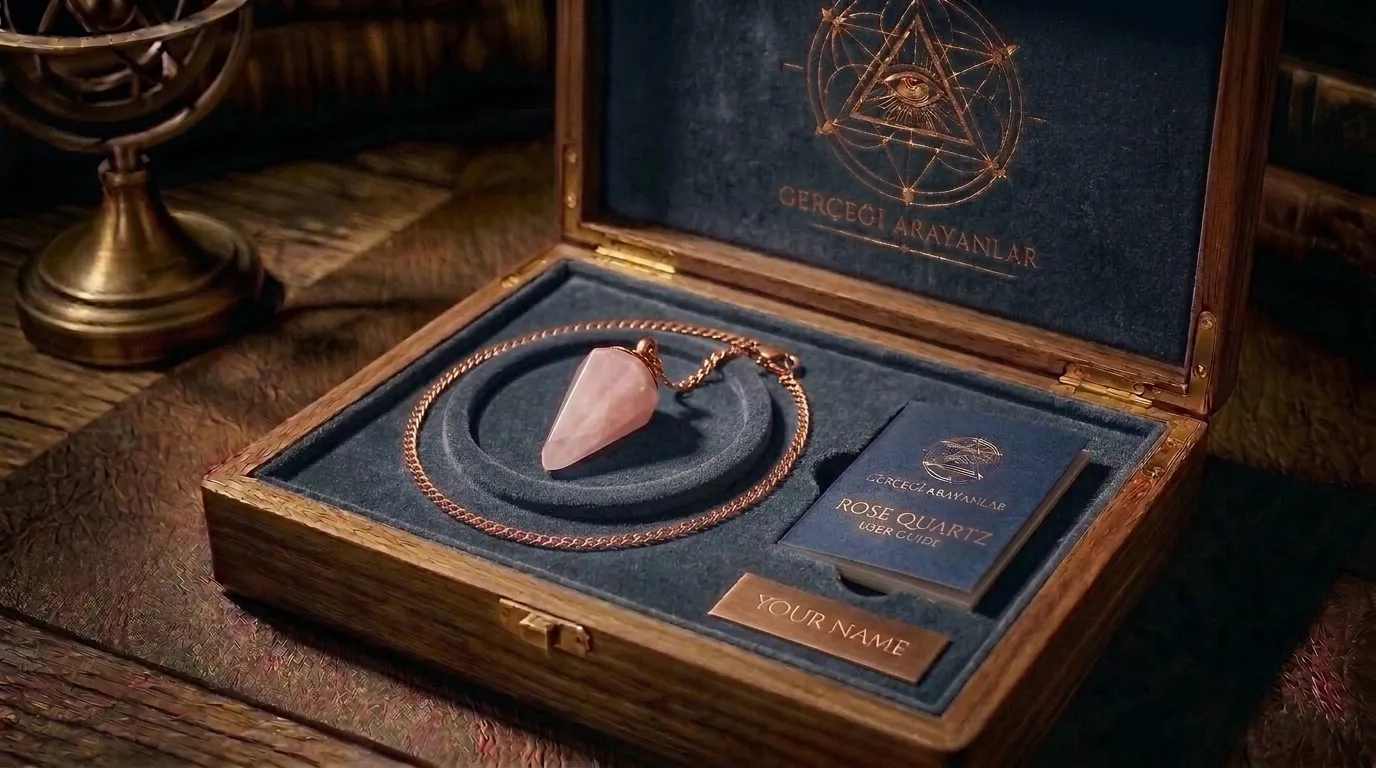
Pendulum
The Open Heart Rose Quartz Pendulum
Shared intention: Love & Connection · Calm
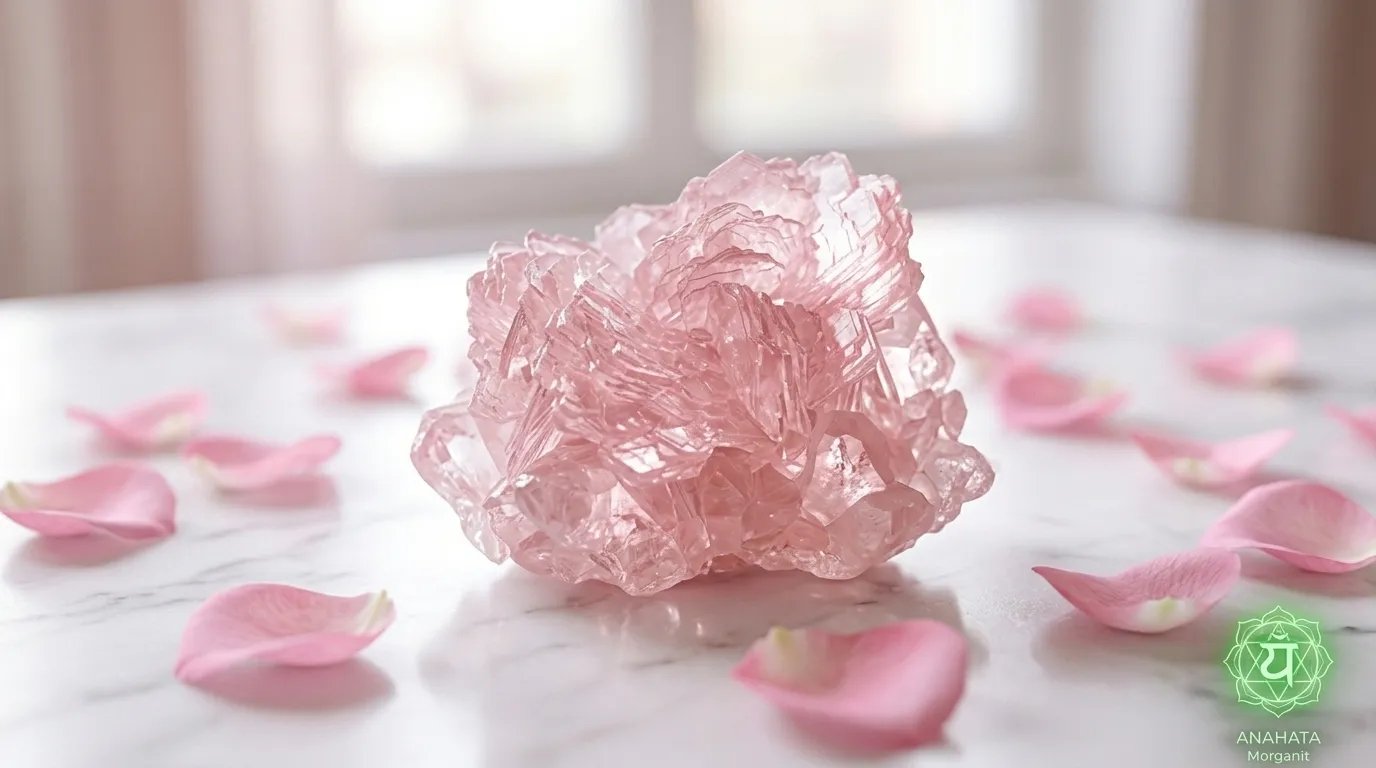
Stone
Morganite
Shared intention: Love & Connection · Calm
If you stayed this long on the Tulsi Incense page, the matter may not be curiosity about incense alone.
The chosen incense is sent in a solid walnut box with brass inlay, sealed to your name. Which incense walks with you is decided not from a list, but from what you share.
No payment, no commitment. First you write what you want.