

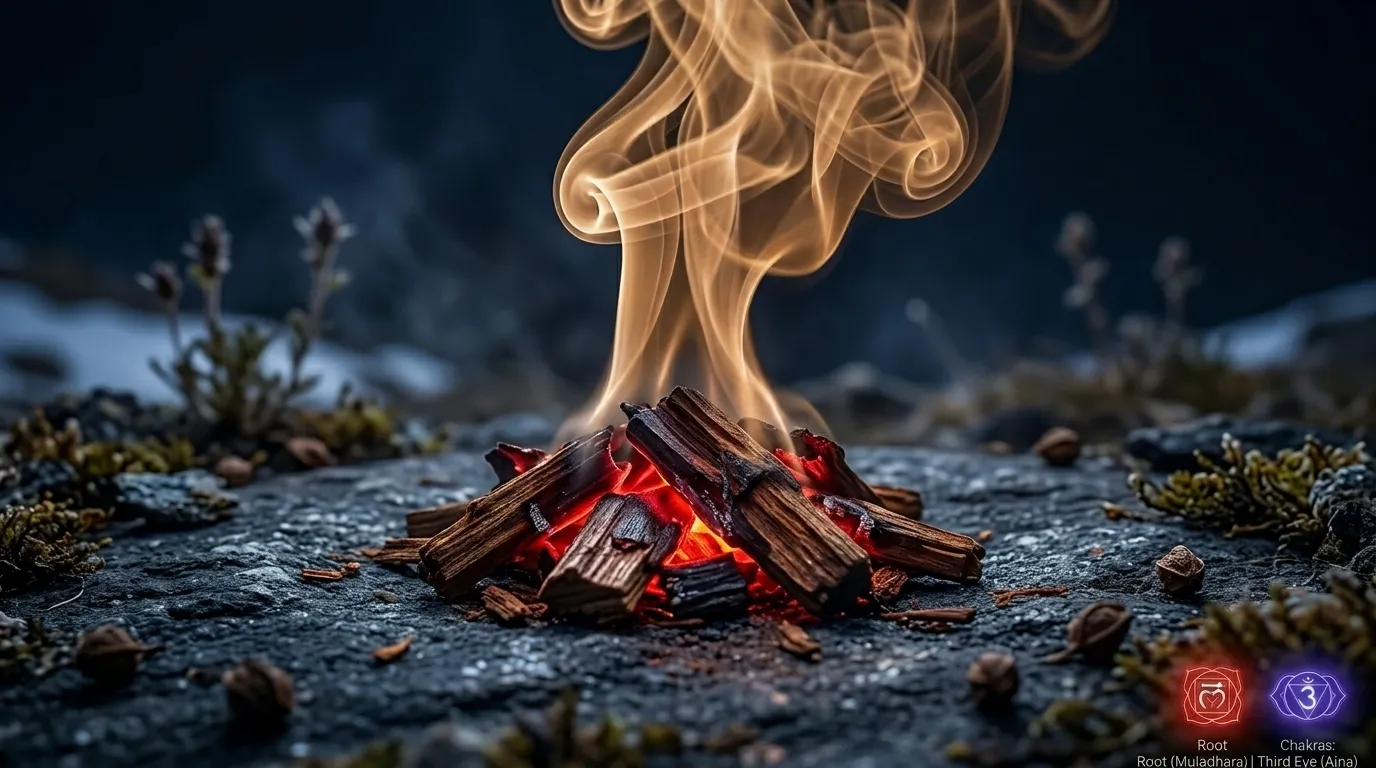
Incense
Deodar Cedar Incense
You've felt the creep of compromise, the slow fade of intention, the blur where your boundaries used to be. Stop. Deodar Cedar is not a negotiation—it is the dry, unbroken pillar of a decision held firm, burning like the spine of the mountains that bore it.
- Wood
- Direct Burn
- Earth
- Root
Traditional associations
Himalayan and South Asian architectural and spiritual contexts reference deodar wood in temple construction, defensive fortifications, and ritual smoke practices spanning centuries. Not every historical use carries identical religious significance, but consistency remains: deodar marks a threshold and asks for commitment.
Specially sourced
Deep layers
About Deodar Cedar Incense
For those who have stood at the threshold of compromise and chosen instead to draw a line, Deodar Cedar—the wood of Cedrus deodara—speaks in the language of Himalayan peaks and ancient South Asian wisdom. Not every cedar incense carries this identity; the canonical species matters. This is the wood that built temples and fortified dwellings against snow and wind, and its smoke remembers that purpose: to create an unmistakable boundary between what you will accept and what you will not.
When the world softens its demands and your resolve begins to drift, a single chip of untreated deodar wood on a low electric heater exhales dry board, cool forest floor, and faint spice. The aroma does not whisper compromise; it stands. In some regional and modern ritual traditions, deodar is believed to embody uprightness, endurance, and guarded thresholds—not as mystical guarantee, but as a mirror for your own intention to hold firm. You write the boundary in silence; the smoke simply marks the place where you have decided to remain. This spiritual practice is your own; it carries no promise of healing or transformation beyond what your commitment to that line supplies.
Yet wisdom demands respect for the material itself. Never burn treated lumber, varnished scraps, or shavings over open flame. Wood dust and smoke must not be inhaled directly into the lungs. Ensure the space is ventilated, keep the heater far from children and fabric, and never leave the heat source unattended. The boundary you draw is spiritual; the fire you tend is real.
Story
In the Himalayan valleys where Cedrus deodara roots itself deep against relentless winter, the wood teaches a single lesson: stand or yield. For centuries, this cedar framed temple sanctuaries and mountain fortifications—not as decoration, but as spine. When its wood smoke enters a room, it carries that memory forward: the choice to hold a line and defend it.
Traditional uses
Himalayan and South Asian architectural and spiritual contexts reference deodar wood in temple construction, defensive fortifications, and ritual smoke practices spanning centuries. Not every historical use carries identical religious significance, but consistency remains: deodar marks a threshold and asks for commitment.
Preparation / burning method
Transformation requires discipline. Use a single untreated wood chip—no larger than a thumbnail—on a low-setting electric wood heater or resin diffuser. Never apply direct flame. Allow the chip to warm slowly and release smoke gradually. If smoke becomes dense, reduce heat or ventilate further. Never leave the heat source unattended for even a moment.
Cleansing uses
Some regional and modern practices burn deodar as a threshold aroma when establishing or reinforcing a boundary—not to enforce it magically, but to mark the place where resolve is tested. The smoke becomes a visible marker of the invisible line you have drawn.
Ritual context
Before you burn: Write one boundary—one line you will not cross—in silence, on paper. Be specific. Then place a single untreated wood chip on the low heater. As it begins to smoke, do not chant or perform; simply stand and read what you have written. The ritual is the decision held firm; the smoke is only its witness.
Aroma profile
Dry cedar board, mountain resin, cool forest floor after rain, faint spice, and the pale smoke of patient wood.
Safety notes
Use only untreated, chemical-free wood of verified species. Never inhale incense smoke or wood dust directly into the lungs—ventilate immediately and continuously. Never burn varnished, painted, or treated wood, furniture scraps, or green wood over open flame. Practice on a low electric heater only. Keep the device far from children, pets, and flammable fabric. Never leave the heat source unattended. The boundary you set is spiritual; the fire you tend is physical law.
Origin
The canonical identity is Cedrus deodara wood. Atlas cedar and generic commercial 'cedar' products carry different botanical lineages and are not automatic substitutes. Origin matters here because species, resin composition, and burning character are bound to identity.
Quick look
Properties
- Scientific name
- cedrus deodara
Which chakra is it known for?
Form
- Wood
Which element is it associated with?
- Earth
Which planet is it linked to in esoteric traditions?
- Jupiter
Which chakra is it associated with?
- Root
Burn method
- Direct Burn
Follow This Thread
If you stayed this long on the Deodar Cedar Incense page, the matter may not be curiosity about incense alone.
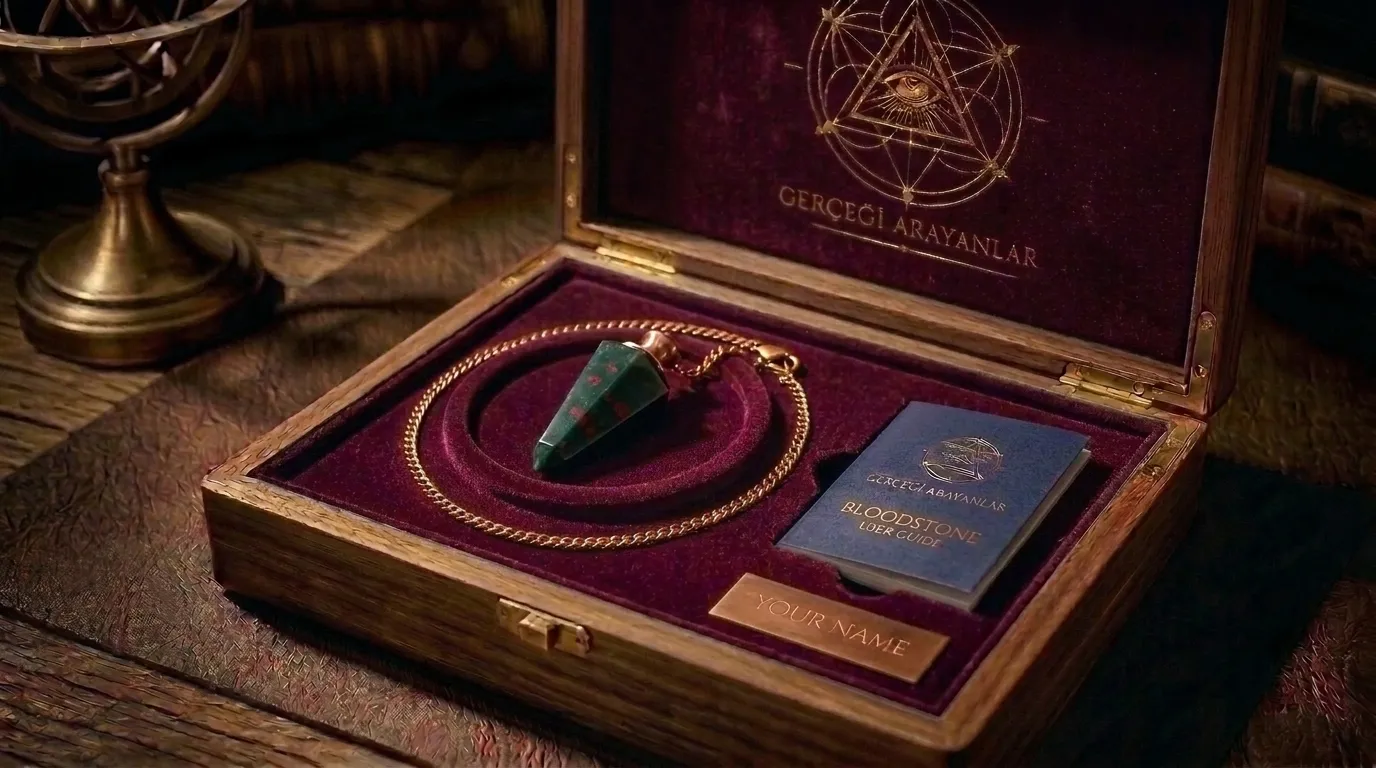
The chosen incense is sent in a solid walnut box with brass inlay, sealed to your name. Which incense walks with you is decided not from a list, but from what you share.
No payment, no commitment. First you write what you want.