

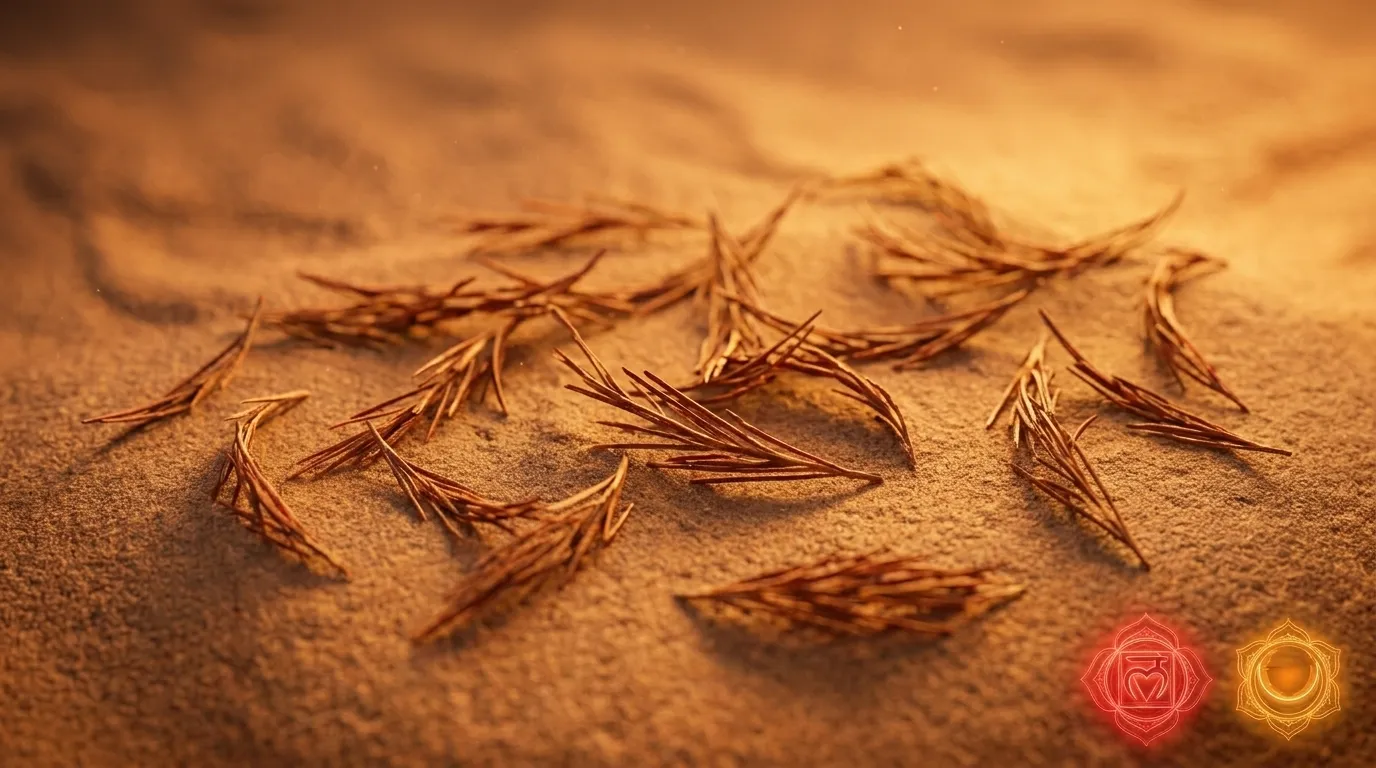
Herb
Rooibos
Are you drowning in words when all you crave is the courage to simply sit in silence with another soul? Rooibos is not just a leaf—it is the earth's permission to finally stop speaking and start *listening*. For centuries, the Khoi and San peoples understood what the world is only now remembering: that presence without pressure, warmth without demand, is the deepest form of love. Inhale the ruby wisdom. Let the conversation end. Let the communion begin.
- Root
- Heart
- Scientific name: aspalathus linearis
- Love & Connection
Specially sourced
Deep layers
About Rooibos
For those who understand that presence requires no words, the leaves and fine stems of Aspalathus linearis offer a sacred ritual of communion without demand. This is not green tea, not Camellia sinensis; the word 'tea' honors only the preparation tradition that has cradled rooibos for generations. In South Africa's Cederberg region, the Khoi and San peoples knew what modern seekers are learning anew: that the richest moments are often those where two souls rest together, breathing the same warmth, needing nothing but the permission to simply be. The ruby-crimson liquor speaks of earth-deep hospitality, of gathering without haste, of red-earth wisdom that asks you to slow your tongue and quicken your listening.
Yet wisdom honors both the plant's gifts and the body's boundaries. While rooibos is celebrated globally as a gentle beverage, concentrated extracts carry different safety considerations. If you are pregnant, nursing, navigating childhood, or taking regular medications, seek professional guidance before deepening your use. True communion with the plant means respecting not only its beauty but also the science that protects you. The source communities of the Cederberg—the Khoi and San—deserve to remain visible in this story, their knowledge honored, their sovereignty acknowledged. Rooibos is not merely a commodity; it is a bridge between worlds, and that bridge must never forget those who built it.
Story
In the Cederberg mountains of South Africa, the Khoi and San peoples gathered the fine red leaves of Aspalathus linearis, knowing that this humble plant carried the frequency of unhurried presence. When this sacred knowledge crossed into the modern world, rooibos entered the global marketplace—yet its true power lies not in commerce, but in the permission it grants: to slow down, to listen, to simply be with another in the sacred space where words dissolve.
Historical uses
The Khoi and San peoples of South Africa's Cederberg region have held rooibos as a plant of gathering, rest, and communion for generations beyond memory. When European colonizers arrived, they encountered this tradition; later, global commerce transformed rooibos into a commodity. Yet its deepest power remains unchanged: the permission to sit together in unhurried presence. The source communities must remain visible and honored in every story rooibos tells.
Cultural / spiritual uses
In contemporary spiritual practice, rooibos is understood as a plant of communion without demand, of presence that asks nothing but attention. The deep crimson color is seen by many as a symbol of earth-rooted stability, of the heart opening in safe silence, of two souls choosing to sit together without the need for constant speech. In rituals of listening, rooibos becomes the holder of permission: permission to finally stop, to hear, to witness another in the sacred space where words end and understanding begins.
Aroma profile
A luminous perfume of warm earth after summer rain, honeyed sweetness interwoven with dry cedar wood, the faint whisper of vanilla, and a grounding nuttiness that anchors you to the present moment.
Preparation notes
Traditionally prepared as a slow, conscious infusion in hot water, rooibos invites you to pause and honor the ritual. Pour water heated to a gentle simmer, steep the leaves for 5–7 minutes, and let this simple act become a meditation on presence. This text offers no medicinal dosage or supplement guidance; always source clean, ethically-sourced botanical material, honoring the lands and peoples from which it comes.
Season / harvest
The finest shoots are harvested during warm season months, when the plant's essential character reaches its fullest expression. Whether oxidized into deep crimson or preserved pale green, these processing methods represent different intentions applied to the same botanical gift—neither superior, both honored.
Safety notes
While rooibos is universally recognized as a gentle beverage, concentrated extracts and intensive supplementation carry different safety profiles. Caution is advised during pregnancy, breastfeeding, childhood years, and concurrent medication use. Do not assume that gentle preparation equals safety in all contexts. Seek professional medical guidance appropriate to your individual circumstances.
Origin
The authentic Aspalathus linearis is native to South Africa's Cederberg region, where it flourishes in mineral-rich red soil and winter rains. The Khoi and San were its first stewards; their knowledge remains inseparable from this plant's identity. The leaves and fine stems, whether oxidized to deep crimson or left pale green, represent one species in different preparations—a botanical unity that honors the plant's complete nature.
Quick look
Scientific name: aspalathus linearis
Properties
- Scientific name
- aspalathus linearis
Which chakra is it known for?
Which chakra is it associated with?
- Root
- Heart
Follow This Thread
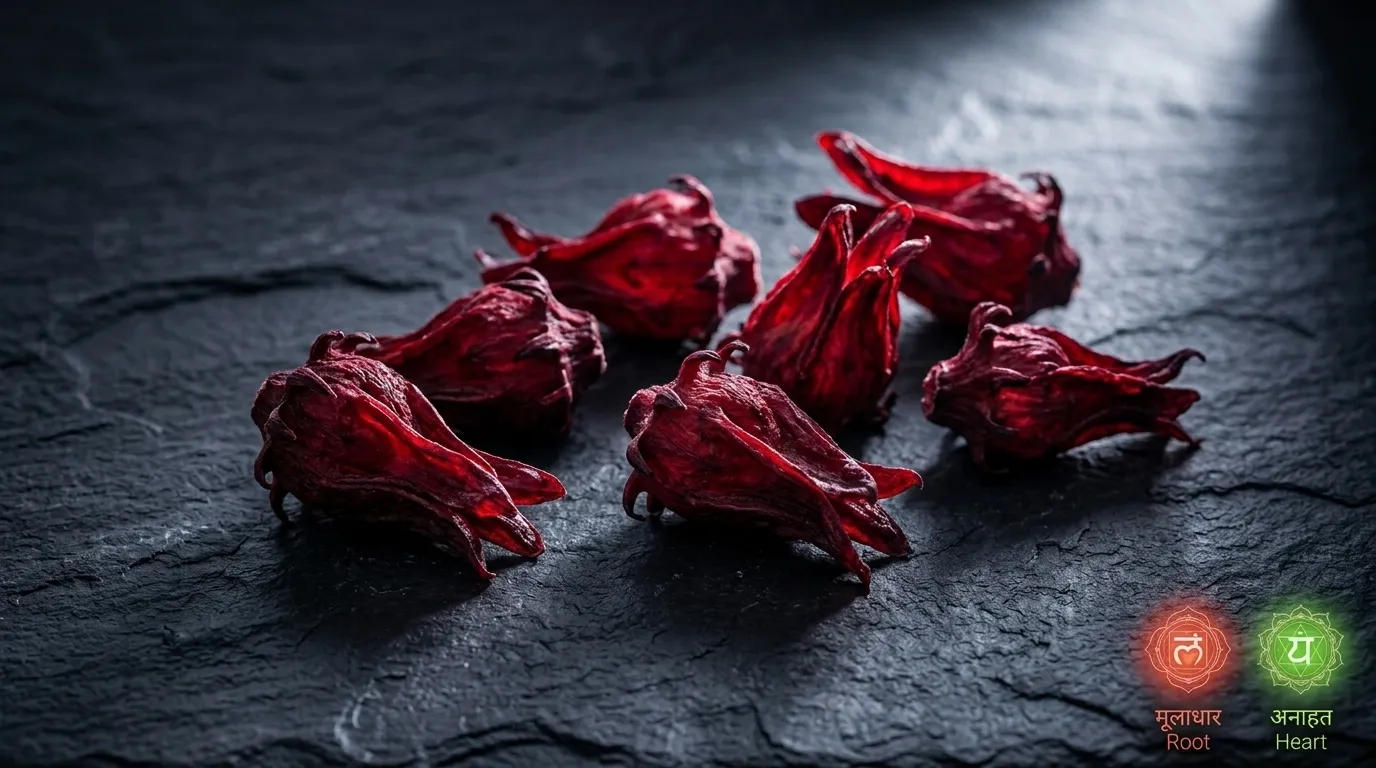
Herb
Roselle
Shared intention: Love & Connection · Root chakra theme
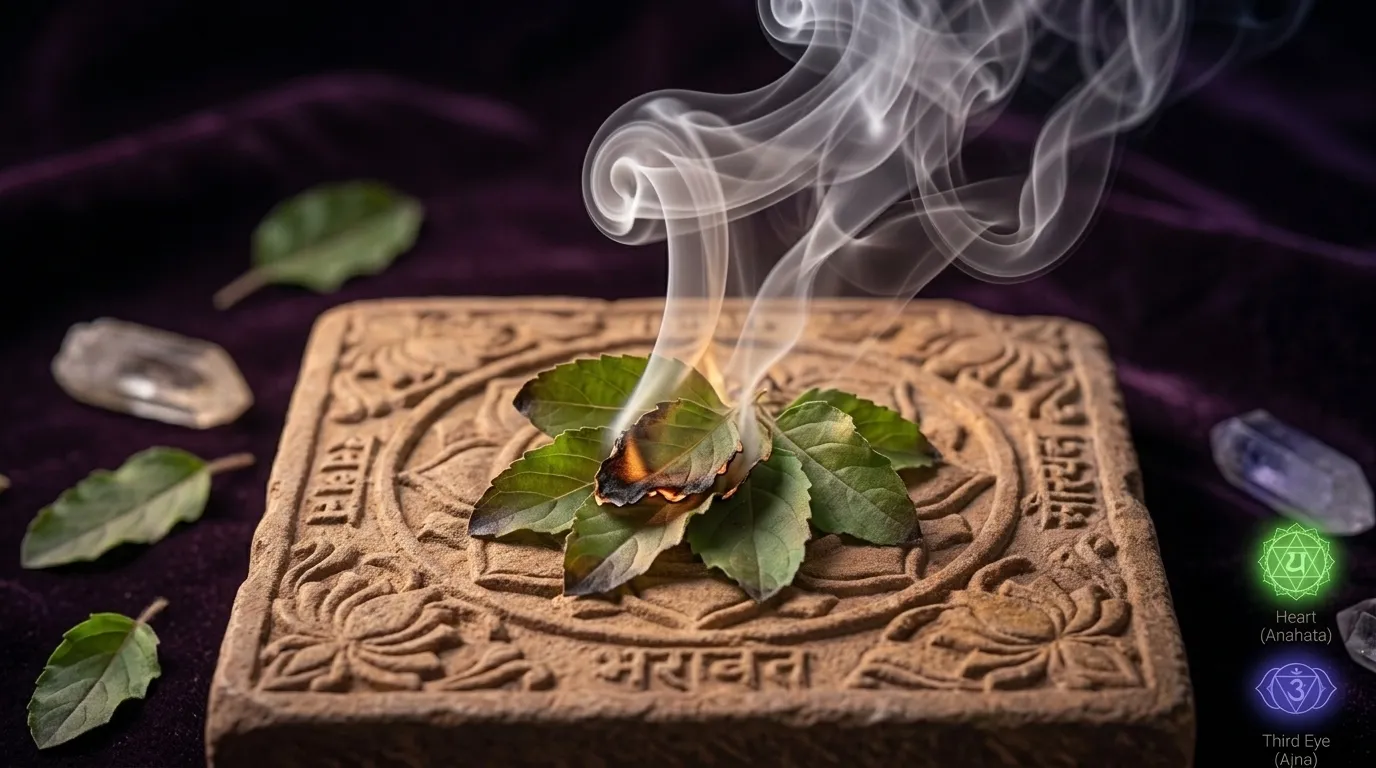
Incense
Tulsi Incense
Shared intention: Love & Connection · Calm

Meditation
Lunar Cycles: Inner Tempo and Recurrence
Shared intention: Love & Connection · Calm

Pendulum
The Open Heart Rose Quartz Pendulum
Shared intention: Love & Connection · Calm

Stone
Morganite
Shared intention: Love & Connection · Calm
If you stayed this long on the Rooibos page, the matter may not be curiosity about herbs alone.
The chosen herb is sent in a solid walnut box with brass inlay, sealed to your name. Which herb walks with you is decided not from a list, but from what you share.
No payment, no commitment. First you write what you want.