

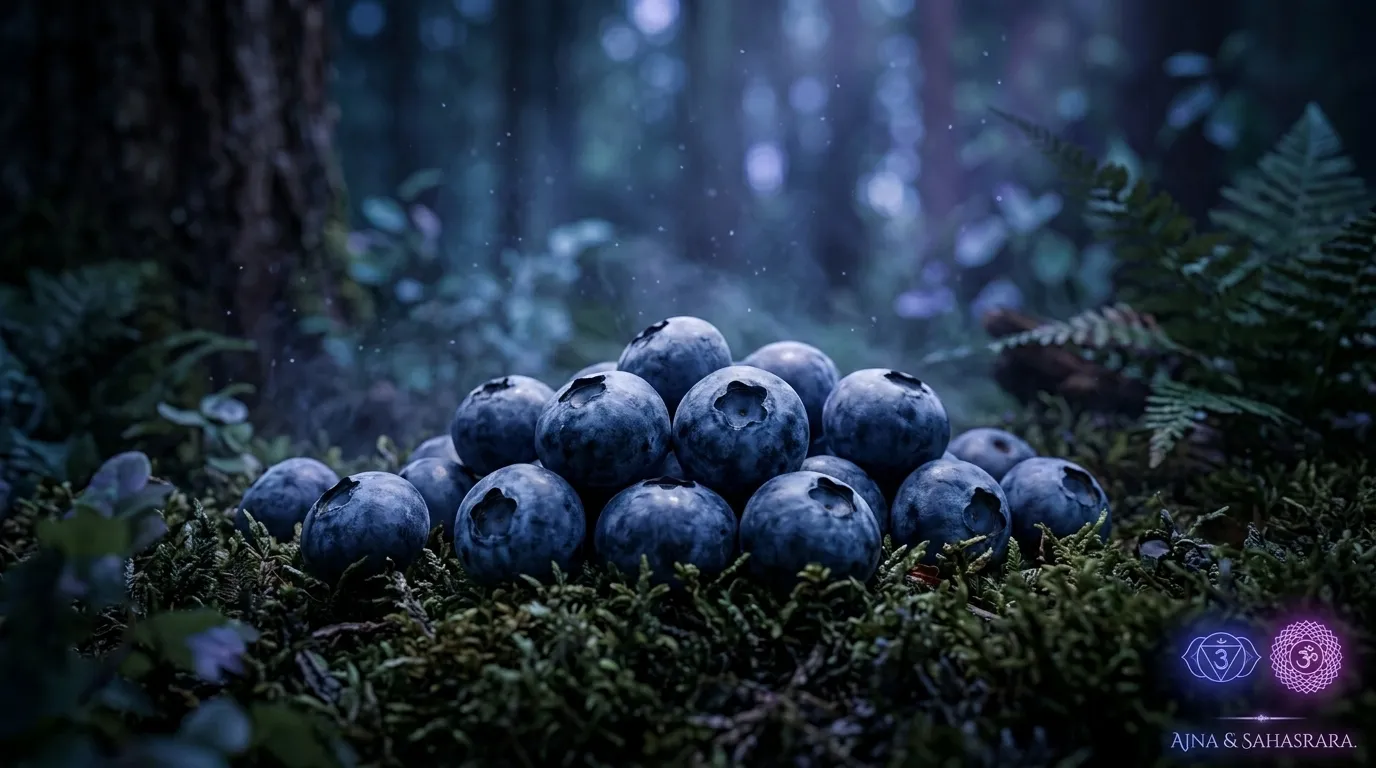
Herb
Bilberry
Your labor in the unseen hours is not forgotten by the earth. Bilberry, the dark forest fruit born in silence, teaches that the quietest work often holds the deepest magic. Stop waiting for applause. It is time to trust the hidden ripening and claim the abundance that was always yours.
- Third Eye
- Scientific name: vaccinium myrtillus
- Abundance
- Grounding
Traditional associations
In forest folklore, the low shrub bearing dark fruit in silence has long symbolized the sacred value of unseen labor, the quiet ripening that asks for no witness, and the abundance that blooms beneath the observer's eye. To honor Bilberry is to trust that your hidden work matters.
Specially sourced
Deep layers
About Bilberry
For those who toil in shadows, seeking validation that hidden work still holds sacred value, the dark fruit of Vaccinium myrtillus carries a frequency of quiet persistence. Unlike the common blueberry varieties of North America or the tart cranberry, true Bilberry grows low in northern and central European forests, its small dark spheres gathering the forest's ancient wisdom into their skin. The low shrub asks nothing of the observer, yet its fruit speaks of patient ripening, of labor that needs no applause, of abundance that blooms unseen beneath the canopy. When you stand exhausted from invisible effort, this dark jewel reminds you that the deepest work often happens where no eye falls—and that is precisely where its power lives.
Yet, like all potent botanical allies, Bilberry asks for respect and discernment. Concentrated extracts may interact with certain medicines, and those navigating pregnancy, breastfeeding, childhood, or regular pharmaceutical care must seek professional guidance before engaging with this fruit. True reverence for the plant means honoring both the folklore of the forest and the science of safety. Use only correctly identified fruit, gathered or sourced with integrity. The magic of Bilberry is not diminished by caution; it is deepened by it.
Story
In the deep forests of Northern and Central Europe, where sunlight barely penetrates the ancient canopy, low shrubs bear small dark fruits that speak of persistence without witness. The true Vaccinium myrtillus has long been gathered in these woodlands, distinguished with care from its North American cousins and the sharper cranberry. Forest-dwellers knew these berries as proof that the most meaningful work often happens in silence—in the careful hands of those who ask for nothing but the integrity of their labor.
Historical uses
Across Northern and Central European forest traditions, Bilberry has been treasured in seasonal foods, traditional dyes, and careful preserves—a quiet companion to those who work the land and trust in hidden ripening.
Cultural / spiritual uses
In forest folklore, the low shrub bearing dark fruit in silence has long symbolized the sacred value of unseen labor, the quiet ripening that asks for no witness, and the abundance that blooms beneath the observer's eye. To honor Bilberry is to trust that your hidden work matters.
Aroma profile
A deep forest breath: dark tart berry skin, faint mineral earth, dry leaf whisper, and the subtle sweetness of patient ripening beneath sheltering boughs.
Preparation notes
Traditionally, the fruit appears in foods and water-based preparations within forest and kitchen cultures. Leaf, fruit, and concentrated extracts are distinct preparations with different contexts; no medical dosage is offered. Source clean, correctly identified material only.
Season / harvest
Fruits reach their deepest color and concentration in late summer, when the forest energy reaches its quiet peak. Wild gathering demands knowledge of the shrub, cleanliness of the site, and careful distinction from similar dark berries.
Safety notes
Concentrated extracts of Bilberry may interact with certain medications. Do not self-treat. Seek professional medical guidance before consumption if pregnant, nursing, giving to children, or taking regular medications. Use only correctly identified fruit from reliable sources.
Origin
The authentic Vaccinium myrtillus is distinguished from common North American blueberry varieties and the tart cranberry, grown in northern and central European forest soils where it has thrived for countless generations.
Quick look
Scientific name: vaccinium myrtillus
Properties
- Scientific name
- vaccinium myrtillus
Which chakra is it known for?
Which chakra is it associated with?
- Third Eye
Related content
Articles, videos, guides, and podcasts linked to this asset.
- VideoCOMING BACK TO EARTH! 🔄 Secrets of Reincarnation - Part 1
- VideoCOMING BACK TO EARTH! 🔄 Secrets of Reincarnation - Part 1
- VideoWisdom of the Night: Hidden Traits of Those With the Owl as Spirit Animal
- VideoWisdom of the Night: Hidden Traits of Those With the Owl as Spirit Animal
- VideoA Guide to Seeing Auras: How Do You See Other People's Energy?
- VideoA Guide to Seeing Auras: How Do You See Other People's Energy?
- VideoFALL INTO DEEP SLEEP! 💤 Part 1 - A Miraculous Meditation
- VideoFALL INTO DEEP SLEEP! 💤 Part 1 - A Miraculous Meditation
WE’VE FOLLOWED THIS TRAIL BEFORE
Videos where we’ve covered this topic on our channel with source-backed notes — watch the first one here, or click through to the rest.
COMING BACK TO EARTH! 🔄 Secrets of Reincarnation - Part 1
25 dk
More videos on this topic
Follow This Thread

Video
COMING BACK TO EARTH! 🔄 Secrets of Reincarnation - Part 1
Content connection

Video
Wisdom of the Night: Hidden Traits of Those With the Owl as Spirit Animal
Content connection
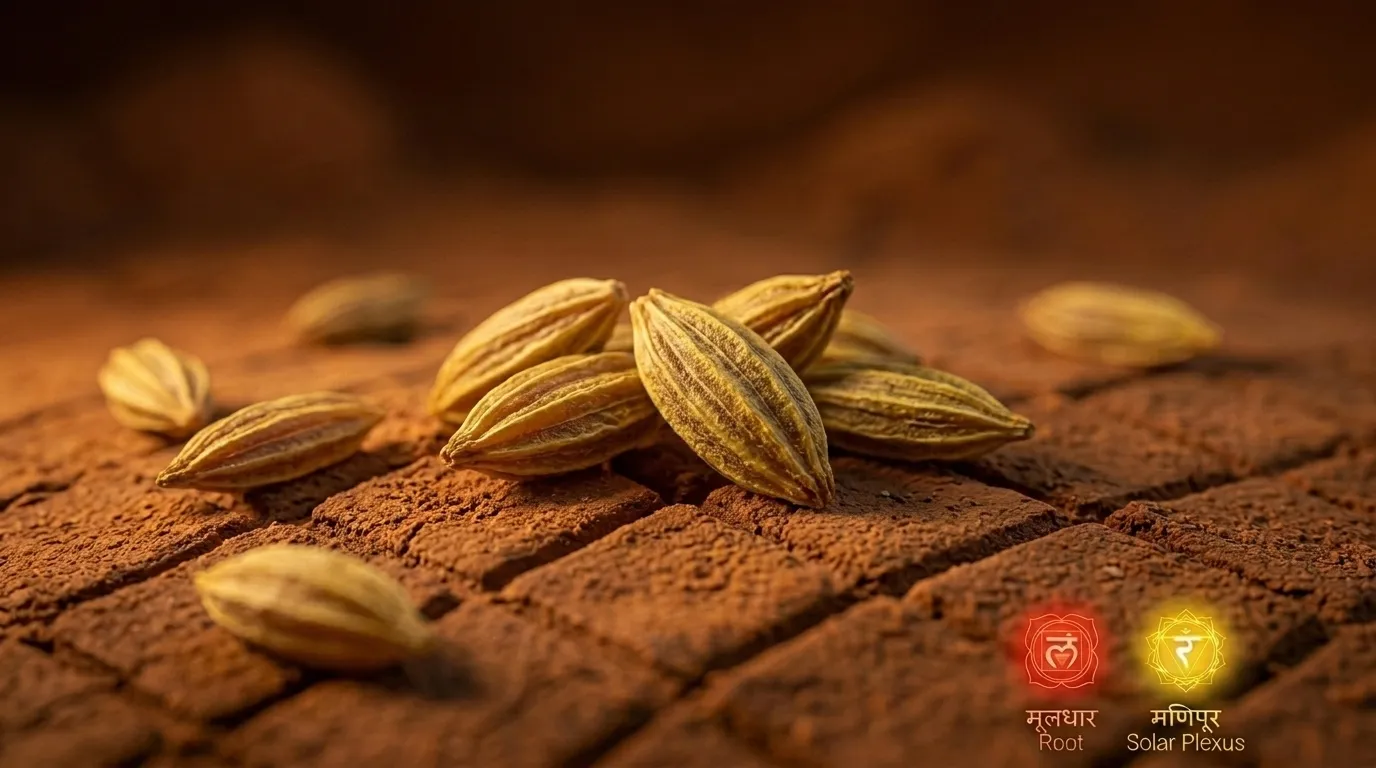
Herb
Cumin
Shared intention: Abundance · Grounding

Meditation
Body-Safety Meditation (Trauma-Informed)
Shared intention: Grounding · Mentioned together in the same video

Pendulum
The Grounding Tiger's Eye Copper Pendulum
Shared intention: Abundance · Grounding
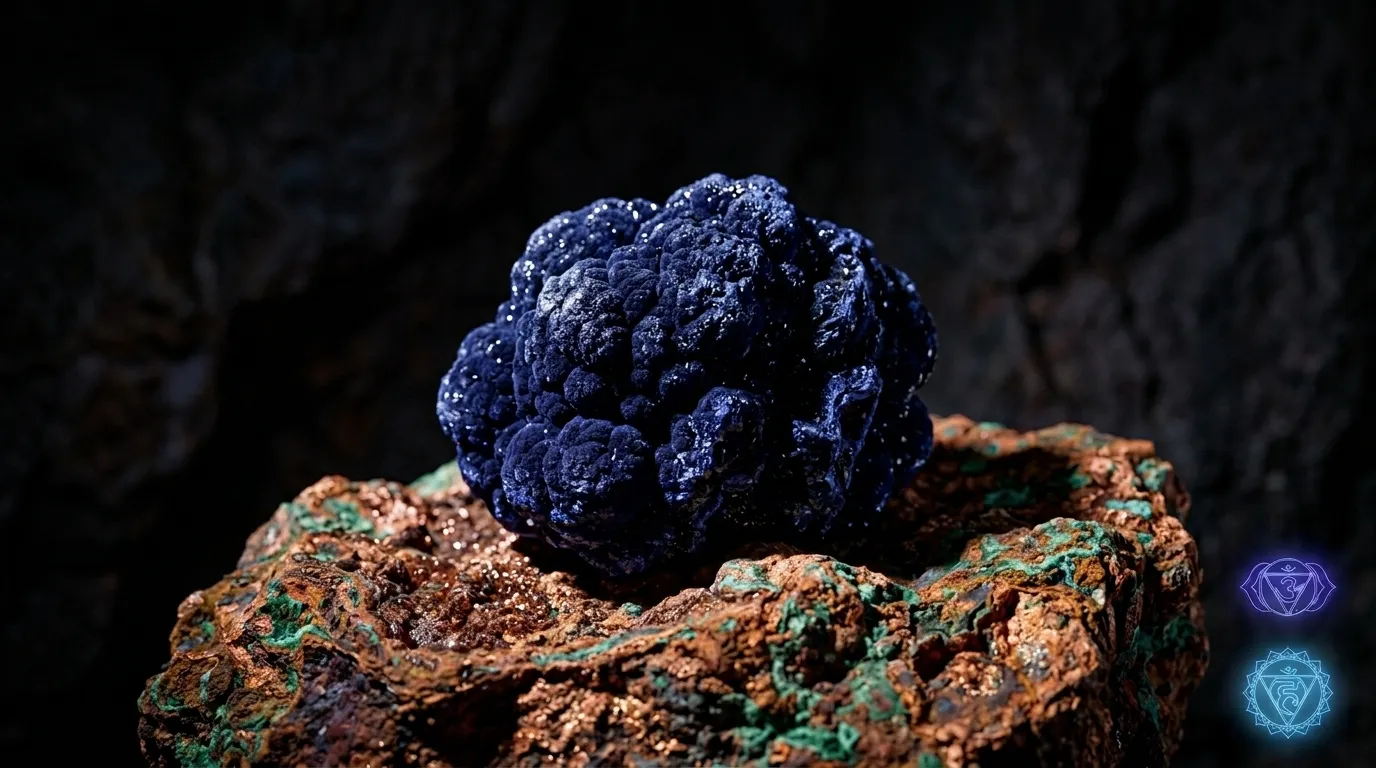
Stone
Azurite
third-eye chakra theme
If you stayed this long on the Bilberry page, the matter may not be curiosity about herbs alone.
The chosen herb is sent in a solid walnut box with brass inlay, sealed to your name. Which herb walks with you is decided not from a list, but from what you share.
No payment, no commitment. First you write what you want.