

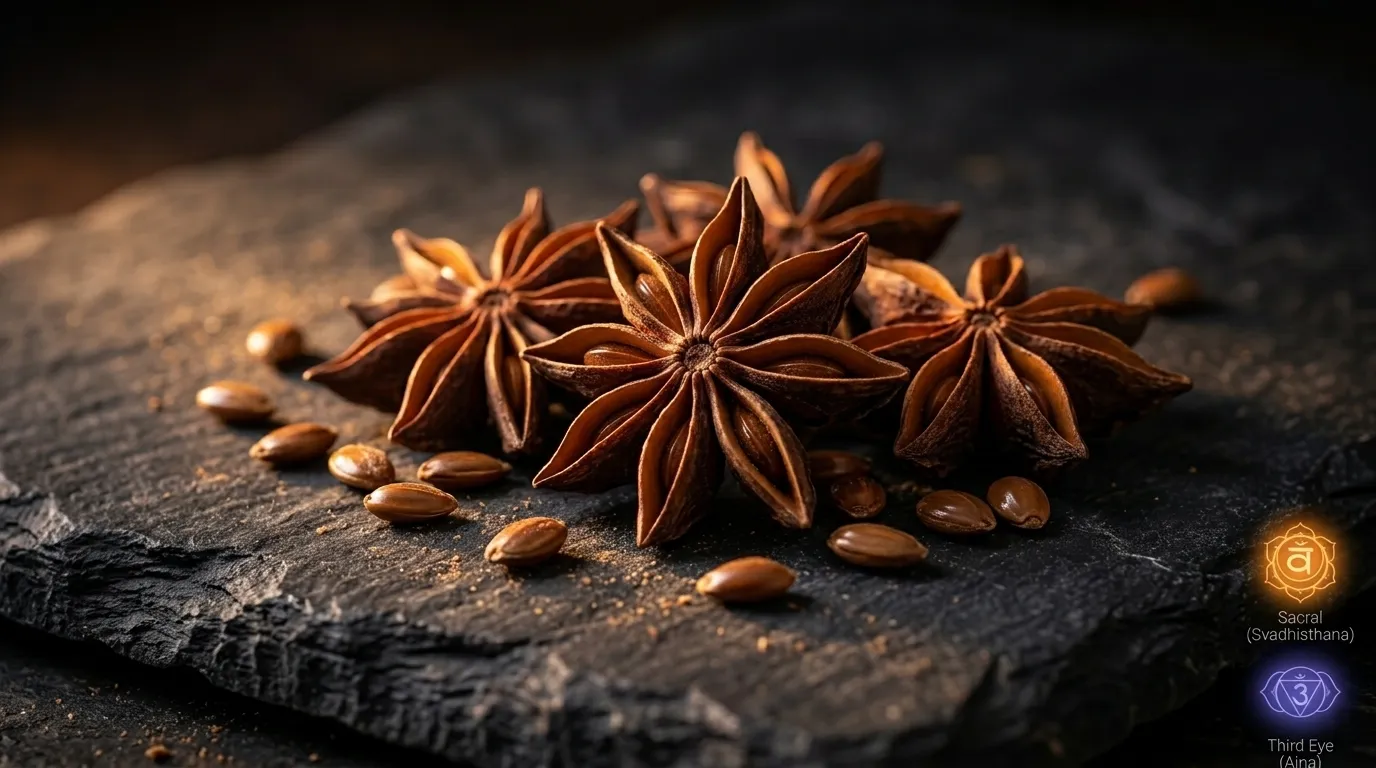
Herb
Anise
Do you feel untethered from the place you came from? Anise is not merely a spice; it is the earth's ancient whisper of homecoming. For millennia, this golden fruit has anchored wandering souls to their tables, their families, their roots. Stop searching in the distance. The memory you long for lives in the warmth of this seed. Breathe it in. Remember where you belong.
- Sacral
- Third Eye
- Scientific name: pimpinella anisum
- Love & Connection
Traditional associations
In folk and spiritual interpretation, the familiar sweetness of anise is believed to call the wanderer home, to restore the memory of belonging, and to weave the isolated thread back into the cloth of family and communion. Its presence in shared rituals and meals marks the sacred act of remembrance.
Specially sourced
Deep layers
About Anise
For those who feel untethered from their roots, the fruit of Pimpinella anisum carries far more than aromatic sweetness; it is a sensory key to belonging. Distinct from star anise—which belongs to the botanical genus Illicium verum—true anise fruit holds within its ancient seeds the memory of shared tables, the warmth of familiar faces, and the permission to return home, not as you left it, but as you have become. In Eastern Mediterranean, West Asian, and European traditions spanning millennia, this golden fruit has been woven into breads, cradled in ceremonial drinks, and steeped in infusions that mark the passage from isolation to communion. Its licorice-sweet aroma carries the frequency of recognition—that moment when you finally remember where you belong.
Yet wisdom demands reverence for boundaries: these cultural and spiritual associations unfold through your own intention and do not replace medical science or professional care. Those with sensitivities to the parsley family, as well as those navigating pregnancy, breastfeeding, childhood, or ongoing medication must seek professional guidance before use. True connection respects both the poetry of remembrance and the safety of your body.
Story
Revered across Eastern Mediterranean, West Asian, and European traditions for thousands of years, the fruit of Pimpinella anisum has been gathered into ceremonial breads, steeped in evening drinks, and tucked into the everyday rituals that bind families to their tables. When distance separates you from those roots, anise whispers the ancient frequency of remembrance—a golden thread connecting you back to belonging.
Historical uses
Woven into the ceremonial breads of Mediterranean tables, steeped in spiced wines and evening infusions throughout West Asia, and tucked into the kitchens and hearths of European families—anise has long been the humble guardian of continuity and shared memory.
Cultural / spiritual uses
In folk and spiritual interpretation, the familiar sweetness of anise is believed to call the wanderer home, to restore the memory of belonging, and to weave the isolated thread back into the cloth of family and communion. Its presence in shared rituals and meals marks the sacred act of remembrance.
Aroma profile
A luminous blend of warm licorice sweetness, honeyed spice, dried apricot, and the gentle whisper of dried hay on a summer evening—grounding, familiar, and deeply nostalgic.
Preparation notes
Traditionally prepared as whole or lightly crushed fruit steeped in warm water, allowing the warmth and time to gently release the seed's essence. This text offers no medical dosing guidance, and concentrated extracts or essential oil applications fall outside the scope of this cultural exploration.
Season / harvest
The mature umbel clusters are gathered with botanical precision during the height of the growing season, when the fruit's essential oils reach their fullest expression and fragrance.
Safety notes
Those with allergies or sensitivities to the Apiaceae (parsley) family should exercise caution. Do not use without professional medical guidance if pregnant, nursing, giving to children, or currently taking regular medication. Essential oils and concentrated extracts are not addressed in this context.
Origin
The authentic Pimpinella anisum fruit is botanically distinct from star anise (Illicium verum), cultivated in sun-blessed soils across the Mediterranean, West Asia, and beyond, where its essential aromatics concentrate through patient, mindful harvesting.
Quick look
Scientific name: pimpinella anisum
Properties
- Scientific name
- pimpinella anisum
Which chakra is it known for?
Which chakra is it associated with?
- Sacral
- Third Eye
Follow This Thread
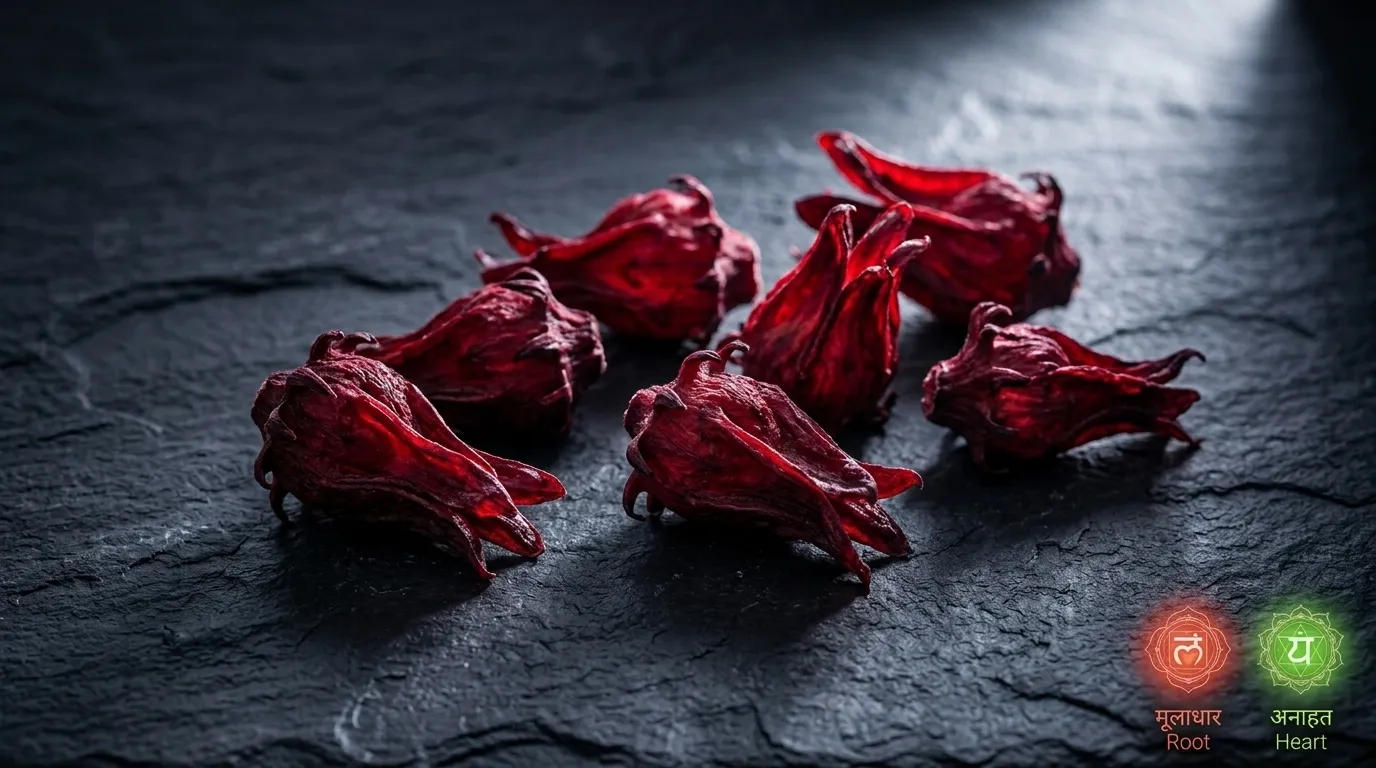
Herb
Roselle
Shared intention: Love & Connection · Sacral chakra theme
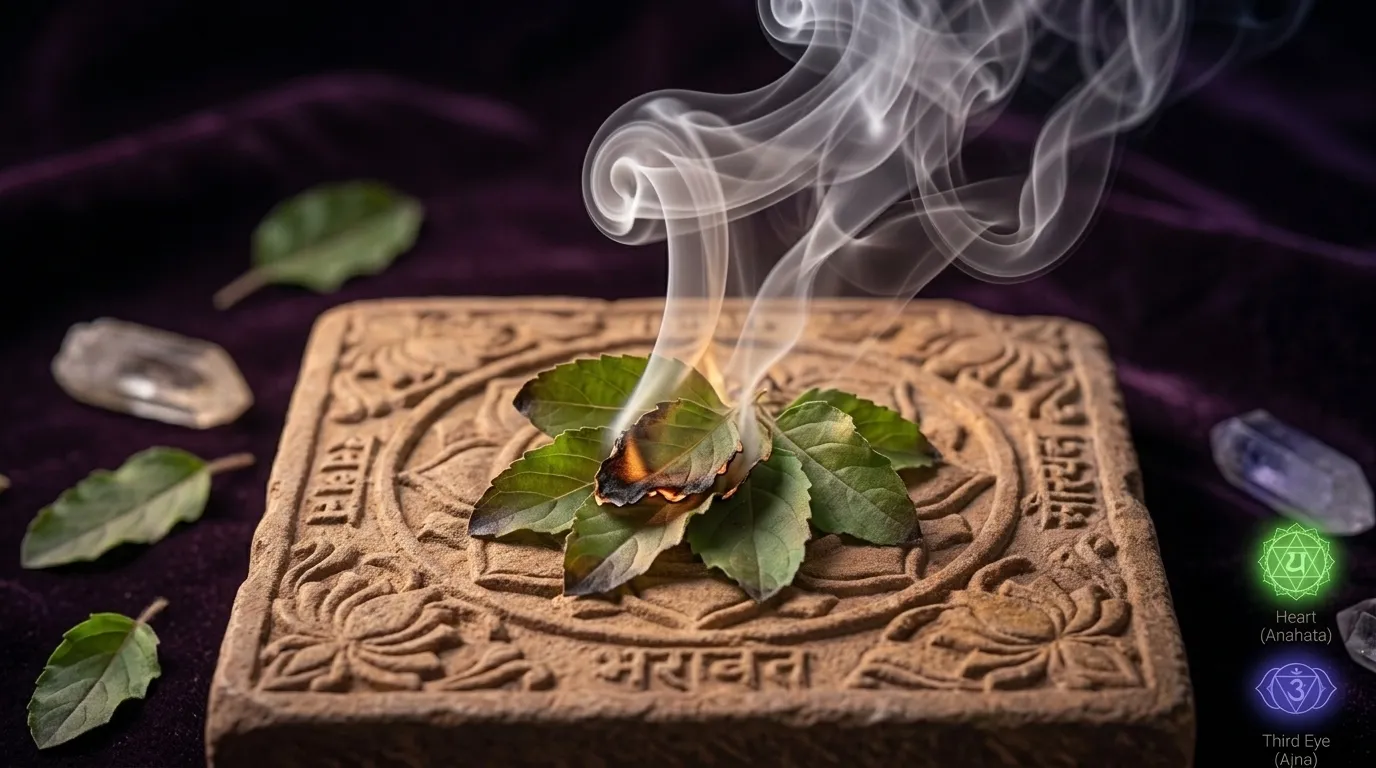
Incense
Tulsi Incense
Shared intention: Love & Connection · Calm

Meditation
Lunar Cycles: Inner Tempo and Recurrence
Shared intention: Love & Connection · Calm

Pendulum
The Open Heart Rose Quartz Pendulum
Shared intention: Love & Connection · Calm
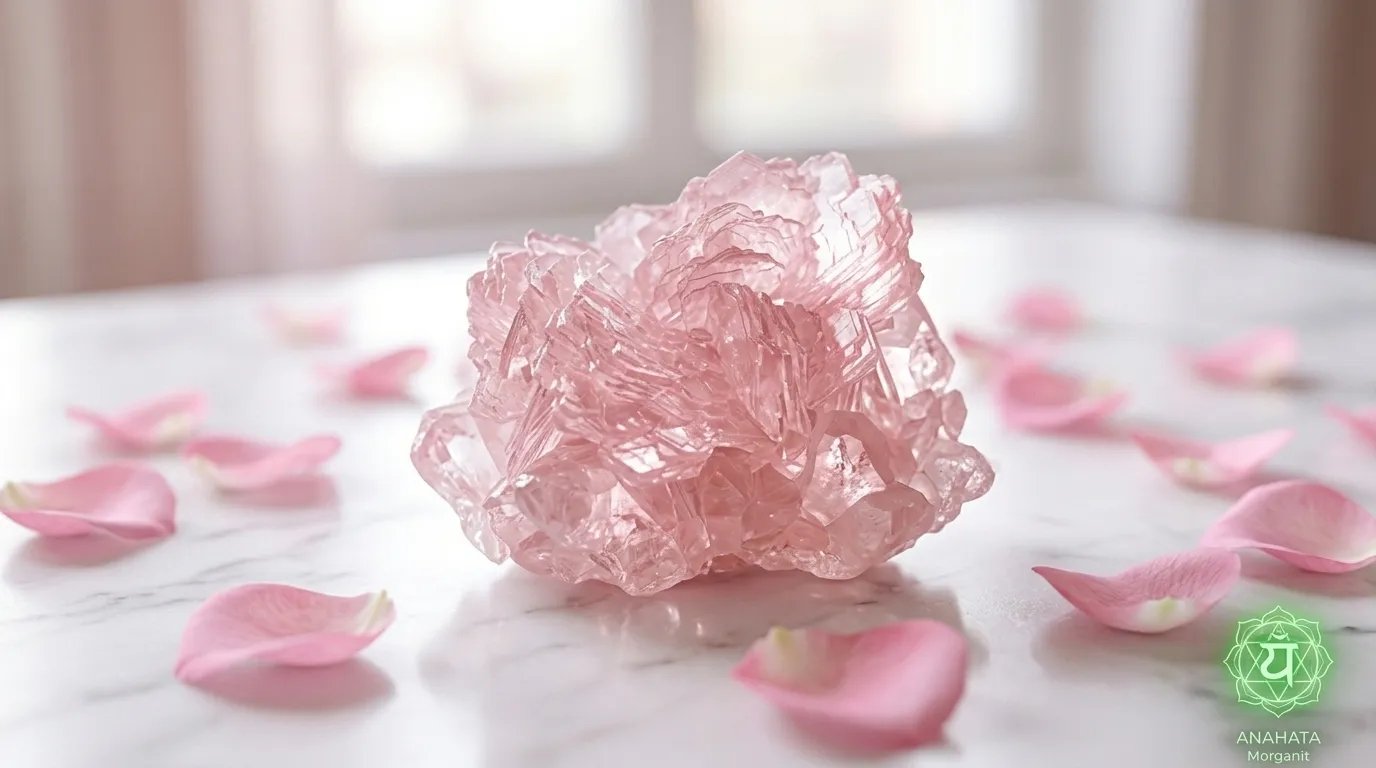
Stone
Morganite
Shared intention: Love & Connection · Calm
If you stayed this long on the Anise page, the matter may not be curiosity about herbs alone.
The chosen herb is sent in a solid walnut box with brass inlay, sealed to your name. Which herb walks with you is decided not from a list, but from what you share.
No payment, no commitment. First you write what you want.