

Incense
Opoponax Resin
When you must let something go without letting go of yourself—when release must taste of honey, not ash—light this resin and stand in the choice you have already made. Opoponax does not sever; it bears witness to your gentlest goodbye.
- Resin
- Charcoal Burn
- Fire
- Root
Traditional associations
Opoponax has appeared in aromatic trade for centuries, woven through perfumery traditions and incense formulas. It carries the cultural memory of gentle farewells and the acknowledgment that sweetness can coexist with letting go. Because the name has been applied to different plant materials across time and region, clear botanical identification remains essential.
Specially sourced
Deep layers
About Opoponax Resin
For those who must release without becoming their own enemy, Opoponax—the resin of Commiphora guidottii—is the substance that teaches release to be gentle yet resolute. In the aromatic trade, this material has traveled through perfumery and sacred incense blends for centuries, yet it remains distinct from its myrrh cousins. Where myrrh burns with ancient severity, opoponax rises with the warmth of something being slowly, carefully surrendered. When a decision has been made and you stand by it without fighting yourself, when loss and gain must be held in the same quiet hand, this resin is your silent companion.
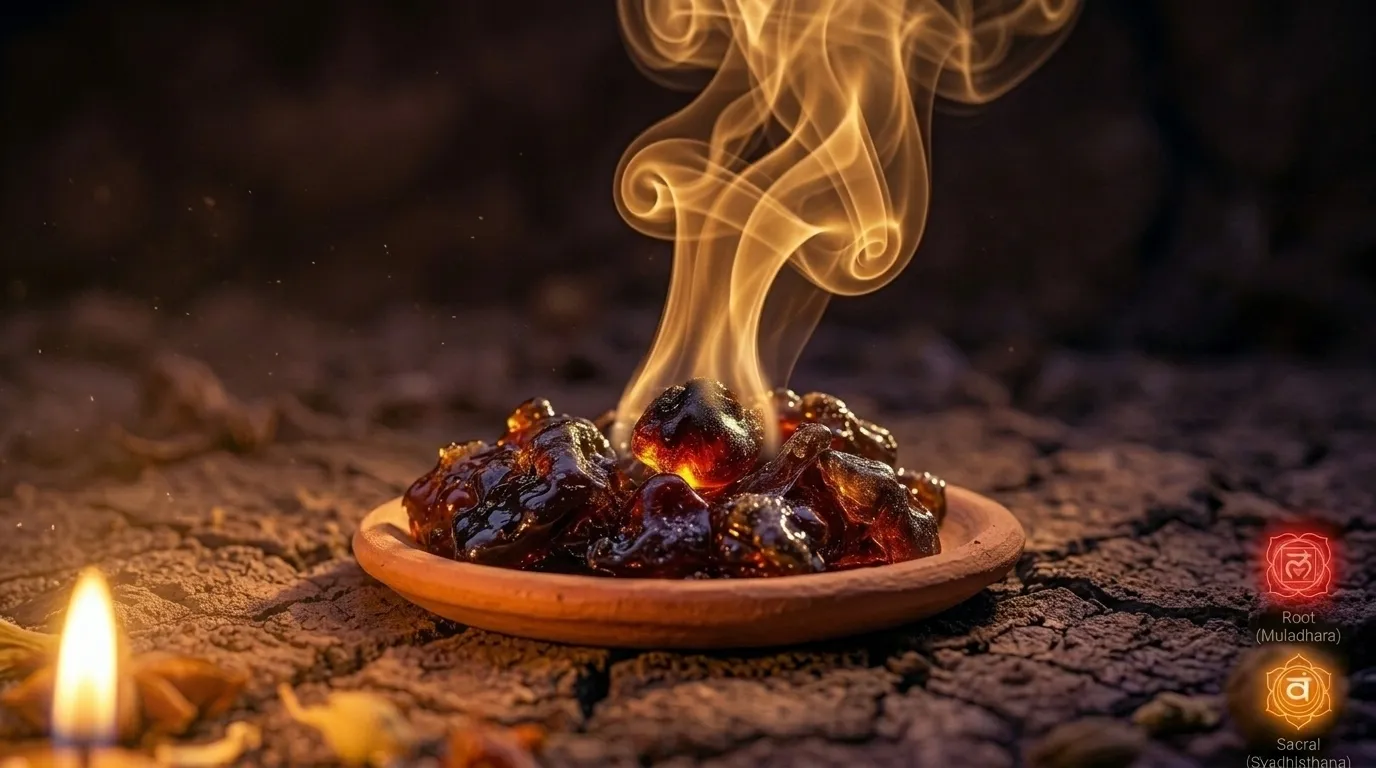
Dropping a grain-sized piece onto glowing charcoal releases a balsamic sweetness—dried fruit, soft spice, and the faint earth of something returning to soil. The smoke does not accuse; it does not judge. It simply witnesses your choice and lets it float away. In modern spiritual practice, opoponax is chosen not to sever with force but to mark the moment when something is truly, peacefully let go. The warmth it carries is not the heat of burning away; it is the warmth of a hand releasing another hand with both eyes open.
Yet this gentle power demands respect for your body's safety: heat only the smallest fragment, never inhale the smoke directly into your lungs, and always ventilate your space thoroughly. Hot resin and glowing charcoal can cause serious burns; never leave them unattended. This is a ritual for your spirit, not a medical treatment or cure. The choice to release is yours alone; the smoke simply holds the space while you make it.
Story
The Commiphora guidottii tree, native to arid lands, weeps its resin not in anguish but in a steady, warm release—as if the tree itself has learned that what must go can go gently. This is not the severe myrrh of ancient renunciation; this is the sweetness of acceptance.
Traditional uses
Opoponax has appeared in aromatic trade for centuries, woven through perfumery traditions and incense formulas. It carries the cultural memory of gentle farewells and the acknowledgment that sweetness can coexist with letting go. Because the name has been applied to different plant materials across time and region, clear botanical identification remains essential.
Preparation / burning method
Place a single grain-sized piece of resin onto a fully glowing (gray-ash-covered) charcoal ember. Begin at low or medium heat; the resin should warm gradually and release sweet vapor, never acrid smoke. If the aroma turns sharp or sooty, immediately remove the material, allow the charcoal to cool slightly, and open your window. Use a heat-proof brass or ceramic vessel. Never apply direct flame to the resin itself.
Cleansing uses
In contemporary spiritual practice, opoponax is chosen during the closing phase of a ritual to soften the air and mark the transition from difficulty into peace. It is burned to acknowledge that what is released may carry sweetness, not bitterness. Any cleansing interpretation is symbolic and rooted in personal belief, not medical promise.
Ritual context
After the decision is made and you stand by it: write one sentence for what you are releasing and one for what you are choosing to keep. Read both aloud with equal calm as the resin warms. Let the smoke witness both the loss and the choice. Do not ask the smoke to change your mind; ask it only to hold the space while you remain steady in what you have already decided.
Aroma profile
Warm balsam, sweet myrrh, dried apricot, soft cinnamon, a whisper of cedar, and the faint mineral warmth of earth returning to itself.
Safety notes
Purchase opoponax only from sources that clearly identify the botanical species as Commiphora guidottii. Heat only a grain-sized fragment; excessive heat turns the aroma acrid and produces sooty smoke. Never inhale directly. Maintain steady ventilation throughout your ritual. Glowing charcoal and hot resin present serious burn risk—never leave them unattended, keep children and pets at a safe distance, and use a heat-proof vessel.
Origin
Pure Commiphora guidottii resin from the arid regions where the tree naturally thrives. Market names like 'sweet myrrh' do not merge this material with myrrh; botanical identity remains distinct and sovereign.
Quick look
Properties
- Scientific name
- commiphora guidottii
Which chakra is it known for?
Form
- Resin
Which element is it associated with?
- Fire
Which chakra is it associated with?
- Root
- Third Eye
Burn method
- Charcoal Burn
If you stayed this long on the Opoponax Resin page, the matter may not be curiosity about incense alone.
The chosen incense is sent in a solid walnut box with brass inlay, sealed to your name. Which incense walks with you is decided not from a list, but from what you share.
No payment, no commitment. First you write what you want.