

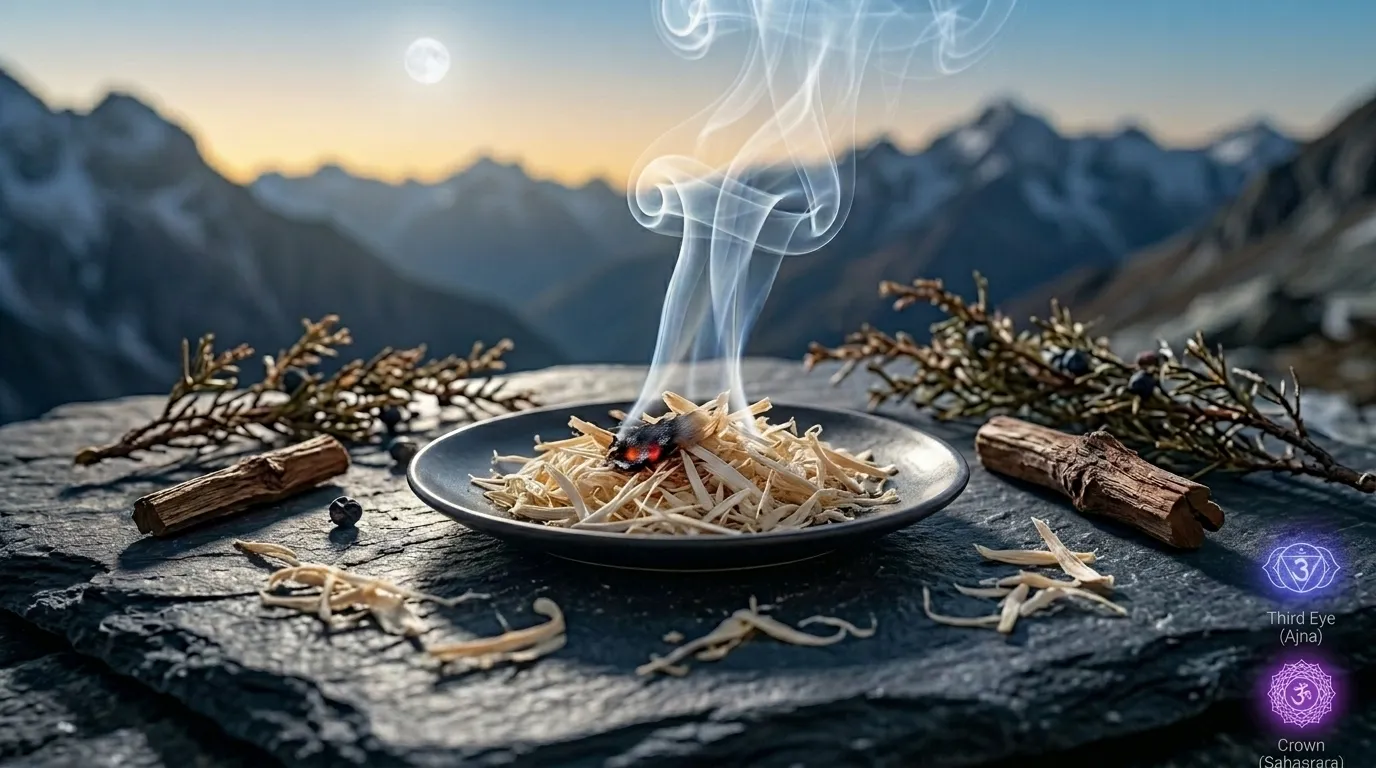
Incense
Hinoki Cypress Incense
Have you spent so long adding that you forgot what it means to subtract? Hinoki Cypress whispers a different language—not abundance, but the power of the space you leave behind. Light it, step back, and watch the room become larger not because it is fuller, but because it is finally empty where it needs to be.
- Wood
- Direct Burn
- Earth
- Crown
Traditional associations
Begin by choosing one object that no longer serves your intention. Hold it, acknowledge what it was, and set it aside. Light the hinoki material on a low heater. As the aroma begins to warm, sit with the empty space where that object was. Do not fill the gap. Resist the urge to add something else. Leave it empty for at least one full minute while the scent settles. This teaches the mind that absence is not a void to be feared, but a clarity to be honored.
Specially sourced
Deep layers
About Hinoki Cypress Incense
For centuries, the architects and bathing masters of Japan understood a truth that the modern world has nearly forgotten: what you do not put in the room is as sacred as what you do. Hinoki—the incense-grade material drawn from Chamaecyparis obtusa wood—carries this philosophy in every slow, cool curl of smoke. This is not the perfumed stick sold under borrowed names; this is the raw, unadorned wood itself, speaking in the language of restraint and clarity.
When you light hinoki, you are not filling the air with promises or claims. Instead, you are removing the noise. The clean citrus edge, the dry pine whisper, the faint mineral breath—these are not decorations. They are the sound of one object being taken from the table, one distraction being set aside, one unnecessary thought being released. In Japanese ritual spaces, hinoki marks the boundary between clutter and intention, between the world's endless demands and the space where you can finally hear your own voice. The aroma is deliberately incomplete; it invites you to complete the silence yourself.
This spiritual practice demands physical honesty: Hinoki must never be varnished, glued, or treated with construction chemicals. The wood you burn must be incense-grade and untouched. Dust and smoke should never be drawn directly into the lungs. Always work in a ventilated space, heating the wood briefly on a low, controlled source—never igniting it into flame. This is not a game of abundance; it is a practice of subtraction, and subtraction requires discipline.
Story
In the forests of central Japan, the hinoki tree grows slowly, patiently, asking only for time and discipline. Its wood was used to build the most sacred temples and the most intimate bathing chambers. The Japanese understood: some materials are so honest that they require no decoration, no embellishment, no excess. Hinoki incense carries this patience into your home.
Traditional uses
Hinoki is woven into the fabric of Japanese culture—from the temples of Kyoto to the bathhouses of rural villages. It appears in architecture, in bathing rituals, and as a wood component in classical incense. These uses are distinct and should not be conflated: the hinoki of a temple beam, the hinoki of a bath, and the hinoki of incense each carry their own dignity and context. Contemporary spiritual practice can honor hinoki's role as an incense material without claiming to inherit or replicate the full weight of these historical traditions.
Preparation / burning method
Use only untreated, incense-grade hinoki wood. Cut a thin chip, approximately the size of a rice grain or smaller. Place it on a low-heat electric wood heater or controlled ceramic diffuser designed for wood chips. Do not apply direct flame. Allow the wood to warm gently; when a subtle aroma emerges, the practice has begun. Remove the material before any charred or burnt smell develops. The goal is to coax the wood's natural warmth, not to consume it.
Cleansing uses
In contemporary Japanese-inspired practice, hinoki is burned not to fill a room with energy, but to clear it of unnecessary weight. It marks the moment when you remove one object from your altar, desk, or sacred space—a deliberate act of subtraction. The incense witnesses your choice to simplify.
Ritual context
Begin by choosing one object that no longer serves your intention. Hold it, acknowledge what it was, and set it aside. Light the hinoki material on a low heater. As the aroma begins to warm, sit with the empty space where that object was. Do not fill the gap. Resist the urge to add something else. Leave it empty for at least one full minute while the scent settles. This teaches the mind that absence is not a void to be feared, but a clarity to be honored.
Aroma profile
Dry Japanese cypress wood, bright lemon peel, clean mineral notes, faint resin warmth, and a subtle soap-like clarity. The aroma is deliberately understated—a whisper rather than a declaration. It does not announce itself; instead, it clears the space so you can hear the silence beneath.
Safety notes
Hinoki incense material must be chemically untreated and incense-grade. Never burn varnished, glued, stained, or construction-treated wood. Do not inhale smoke or dust directly; always use in a well-ventilated space. Heat the wood only briefly on a low electric heater or similar controlled source; never ignite it into flame. Remove the material before any burnt smell develops. This is a contemplative practice, not a source of fragrance. Protect your lungs and the integrity of the experience.
Origin
The canonical source is Chamaecyparis obtusa wood, native to the temperate forests of central Japan, where it has been cultivated and honored for over a thousand years.
Quick look
Properties
- Scientific name
- chamaecyparis obtusa
Which chakra is it known for?
Form
- Wood
Which element is it associated with?
- Earth
Which chakra is it associated with?
- Crown
Burn method
- Direct Burn
Follow This Thread
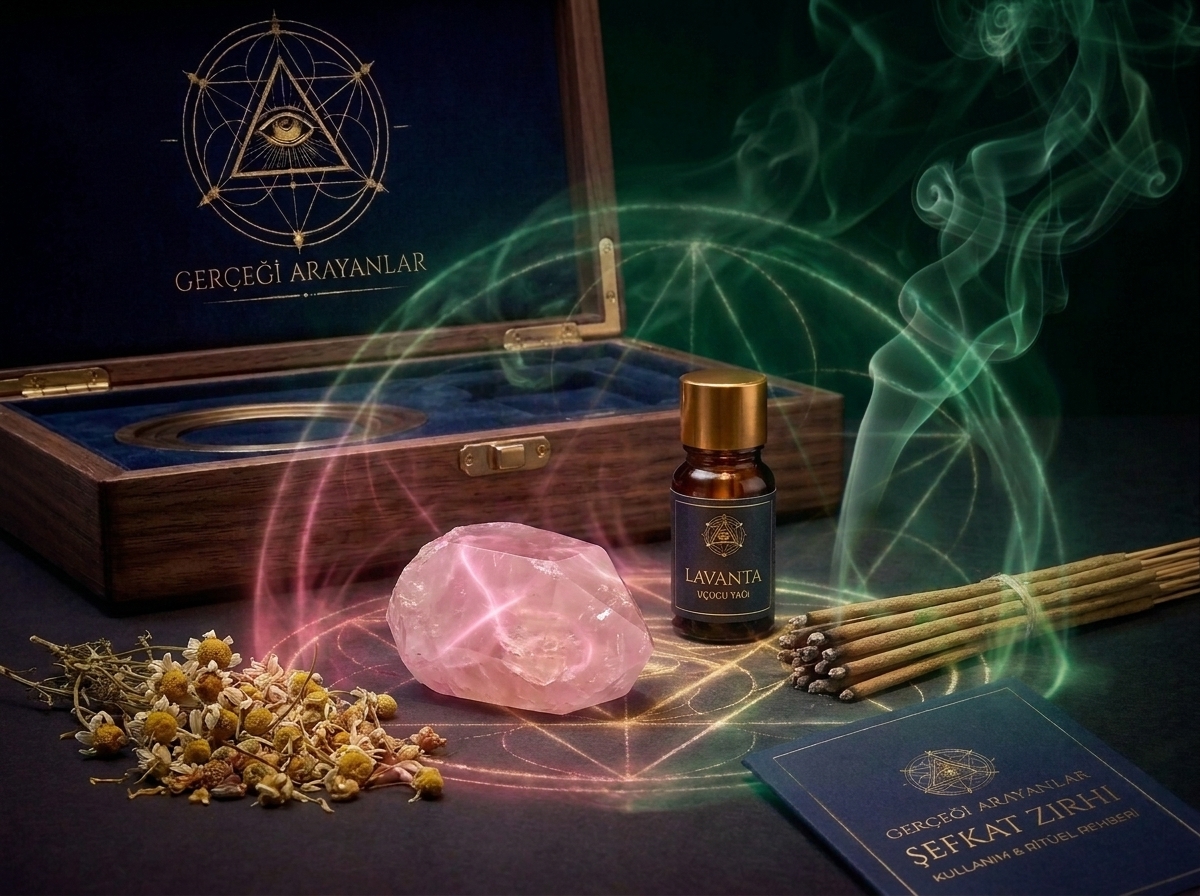
Intention box
Armor of Compassion
Direct relation
Incense
Jatamansi Root Incense
Shared intention: Calm · Clarity · Shared theme

Meditation
Winter Quiet: Returning to Inner Observation
Shared intention: Calm · Clarity
Stone
Gypsum
Shared intention: Calm · Clarity

Test
Third Eye Mini Discovery
The Third Eye chakra discovery maps to this intention
If you stayed this long on the Hinoki Cypress Incense page, the matter may not be curiosity about incense alone.
The chosen incense is sent in a solid walnut box with brass inlay, sealed to your name. Which incense walks with you is decided not from a list, but from what you share.
No payment, no commitment. First you write what you want.