

Herb
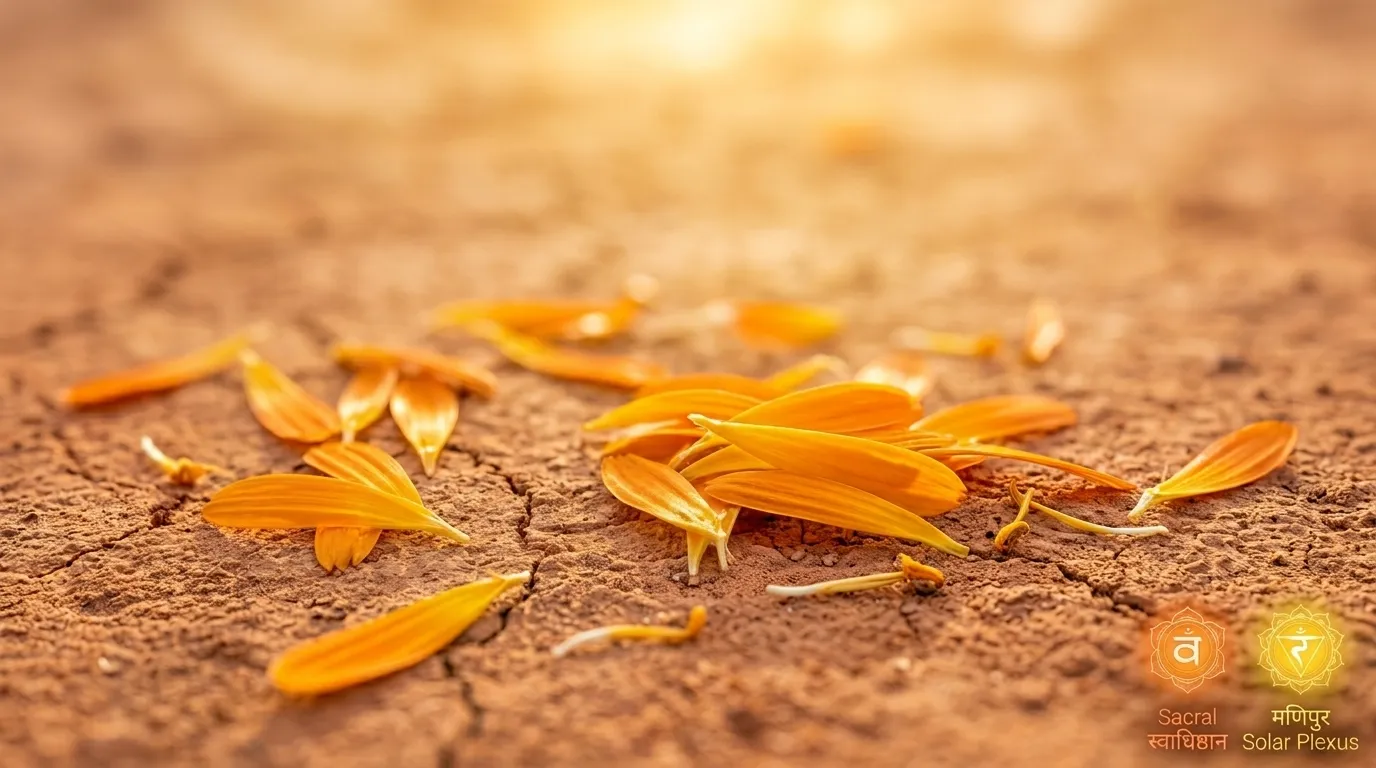
Calendula
Are you ready to feel the warmth again without pretending the darkness never touched you? Calendula is not denial; it is the courageous choice to honor both the shadow and the light. For centuries, this golden sentinel has guided seekers through the tender art of returning home to themselves.
- Sacral
- Solar Plexus
- Scientific name: calendula officinalis
- New Beginnings
Traditional associations
In the gardens of medieval Europe and beyond, Calendula grew as a keeper of transformation—a flower that understands both the necessity of rest and the courage required to bloom again. Ancient herbalists gathered its petals not to erase the past, but to honor the bridge between what was and what is becoming.
Specially sourced
Deep layers
About Calendula
For those navigating the threshold between sorrow and renewal, Calendula officinalis offers far more than petals steeped in tradition; it is the botanical embodiment of permission to honor what was lost while stepping gently back into the warmth of being alive. Distinct from common marigolds and Tagetes species, true Calendula carries the resonance of golden transformation—a flower that has long stood sentinel in gardens across Europe, teaching us that orange blooms turning faithfully toward the sun do not deny the night, but rather acknowledge both seasons of the soul. When the weight of darkness begins to lift and you are ready to feel the sun's warmth again, this flower meets you with understanding, not judgment.
Yet wisdom demands clarity: these historical and spiritual associations work through your intention and respect for boundaries. This text offers no medical claims, dosage, or treatment promises. If you carry sensitivities to the daisy family, navigate pregnancy, breastfeeding, childhood, or plan topical application, seek professional guidance beforehand. True restoration honors both the flower's ancient symbolism and the science of your body's unique needs.
Story
In the gardens of medieval Europe and beyond, Calendula grew as a keeper of transformation—a flower that understands both the necessity of rest and the courage required to bloom again. Ancient herbalists gathered its petals not to erase the past, but to honor the bridge between what was and what is becoming.
Historical uses
European folk and garden traditions wove Calendula into daily life: as color for cloth and food, as oil maceration for tender care, and within herbal preparations that honored the turning of seasons and the healing of continuity.
Cultural / spiritual uses
In European narrative, the orange bloom that turns faithfully toward the sun symbolizes loyalty to light without denying shadow, courage to return to warmth after darkness, and the gentle permission to heal not by forgetting, but by honoring all seasons of the self.
Aroma profile
A warm conversation of dried petals, tender green stem, faint resinous earth, soft honey, and the subtle bitterness of herbs gathered at dusk.
Preparation notes
Traditional wisdom speaks of slow infusions of flower petals in warm water, ceremonial baths, and careful oil macerations left under summer sun. This text offers no measurement, dosage, or protocol for homemade preparations; seek proper guidance for your context.
Season / harvest
Flower heads are gathered at their opening through the full bloom of summer, each petal assessed for color, wholeness, and purity—honoring the plant's full season of generosity.
Safety notes
Persons with sensitivities to the Asteraceae/Compositae family (daisy family) should exercise caution. Do not apply directly to eyes. Professional medical guidance is essential before use if you are pregnant, nursing, caring for young children, or considering topical application.
Origin
Authentic Calendula officinalis is distinguished with precision from common Tagetes species and generic marigold products. Cultivated under summer sun across generations, it concentrates the essences that make it a garden and tradition staple.
Quick look
Scientific name: calendula officinalis
Properties
- Scientific name
- calendula officinalis
Which chakra is it known for?
Which chakra is it associated with?
- Sacral
- Solar Plexus
Follow This Thread
If you stayed this long on the Calendula page, the matter may not be curiosity about herbs alone.
The chosen herb is sent in a solid walnut box with brass inlay, sealed to your name. Which herb walks with you is decided not from a list, but from what you share.
No payment, no commitment. First you write what you want.